Oncology Research & Scientific Literature
Explore independently published scientific literature examining cancer biology, cellular signaling, oxidative stress, inflammatory pathways, and experimental investigations involving astaxanthin, carotenoids, and other antioxidant compounds. This collection includes laboratory studies, animal research, scientific reviews, and broader educational materials. These resources are provided to examine scientific questions and research limitations, not to establish treatment benefits for dietary supplements.
Research resources
About This Research Collection
This collection brings together independently published oncology-related scientific literature, including laboratory experiments, animal models, review articles, clinical background resources, and historical third-party publications.
Many of the astaxanthin-related investigations examine cancer cells, molecular pathways, or experimentally induced tumors in animals. Such findings are not evidence that astaxanthin or ValAsta® prevents, treats, cures, or slows cancer in humans.
Changes in laboratory measurements such as apoptosis, tumor-cell proliferation, angiogenesis, oxidative stress, or inflammatory signaling do not necessarily predict clinical benefit. Findings from isolated cells or animal models cannot automatically be applied to human patients.
Important Information Regarding Cancer Treatment: Antioxidant supplements may interact with cancer medications, chemotherapy, or radiation therapy. Some research has raised concerns about unfavorable outcomes associated with antioxidant supplement use during treatment. Individuals receiving cancer care should discuss all supplements with their oncology team before using them.
Some publications present differing opinions about antioxidant use during chemotherapy. Inclusion of those publications does not constitute an endorsement of their conclusions. Individual articles should be considered in the context of the broader scientific evidence and current clinical guidance.
Certain references involve compounds other than astaxanthin or discuss biological pathways without testing nutritional interventions. These resources are identified as related background research.
The included patent, industry commentary, and historical media resources do not constitute clinical evidence of safety or effectiveness.
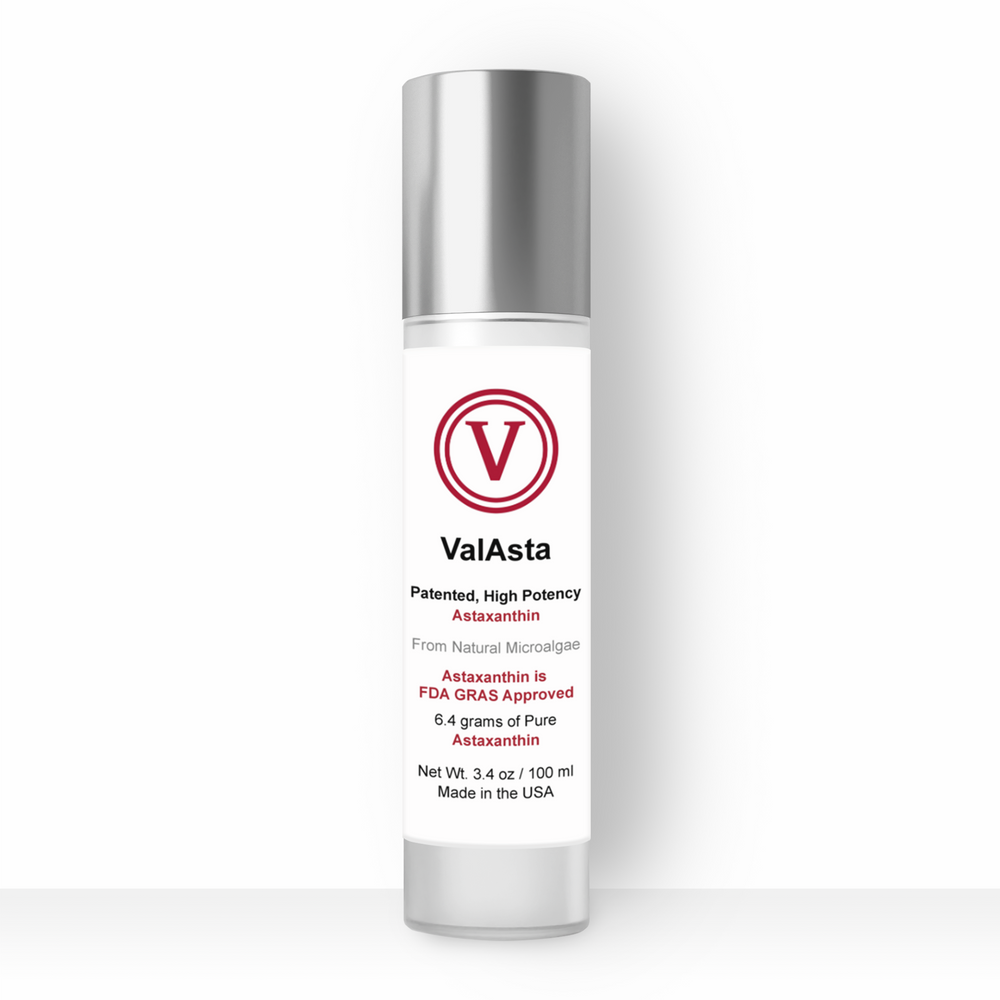
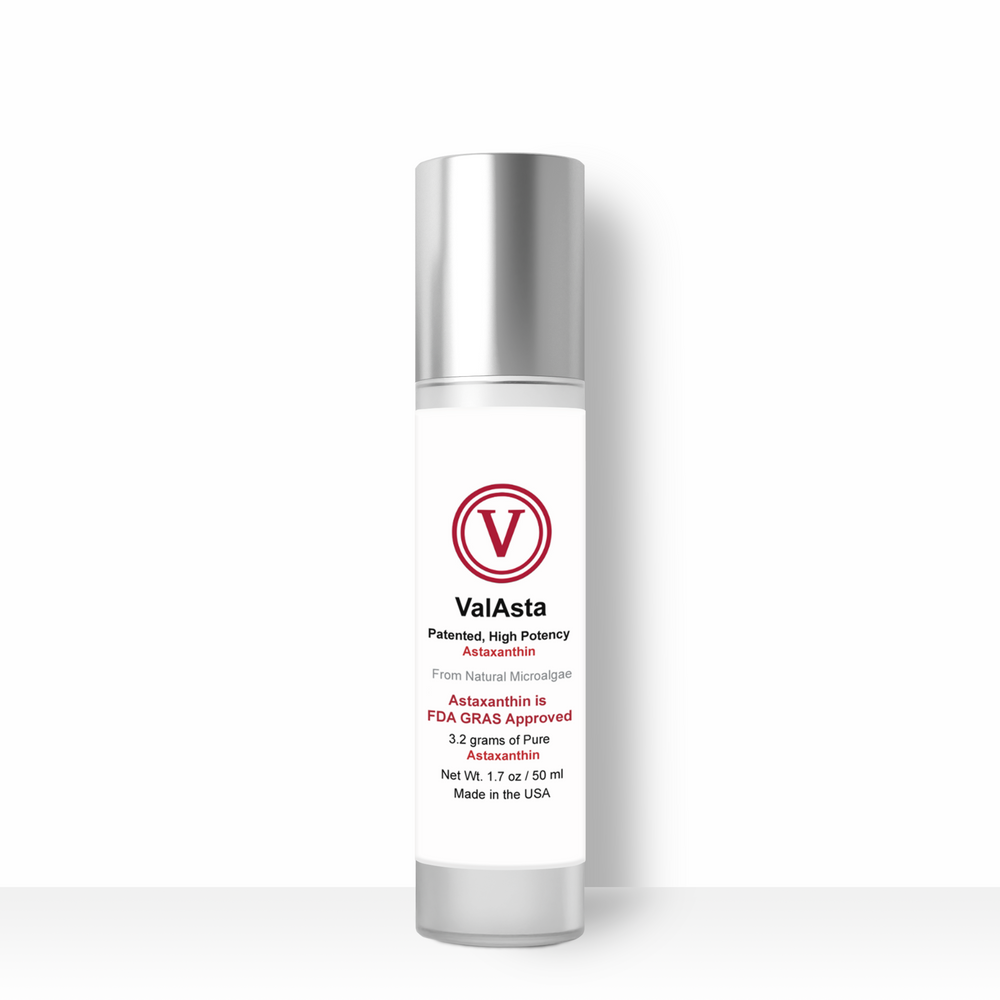
Research involving astaxanthin may use different formulations, sources, concentrations, routes of administration, and experimental conditions. Unless expressly identified in the original publication, studies referenced here were not conducted using ValAsta®.
Medical Disclaimer: This information is for scientific education and does not constitute medical advice. Cancer diagnosis, treatment, and ongoing management require qualified medical care. Dietary supplements should never replace or delay evidence-based cancer treatment.
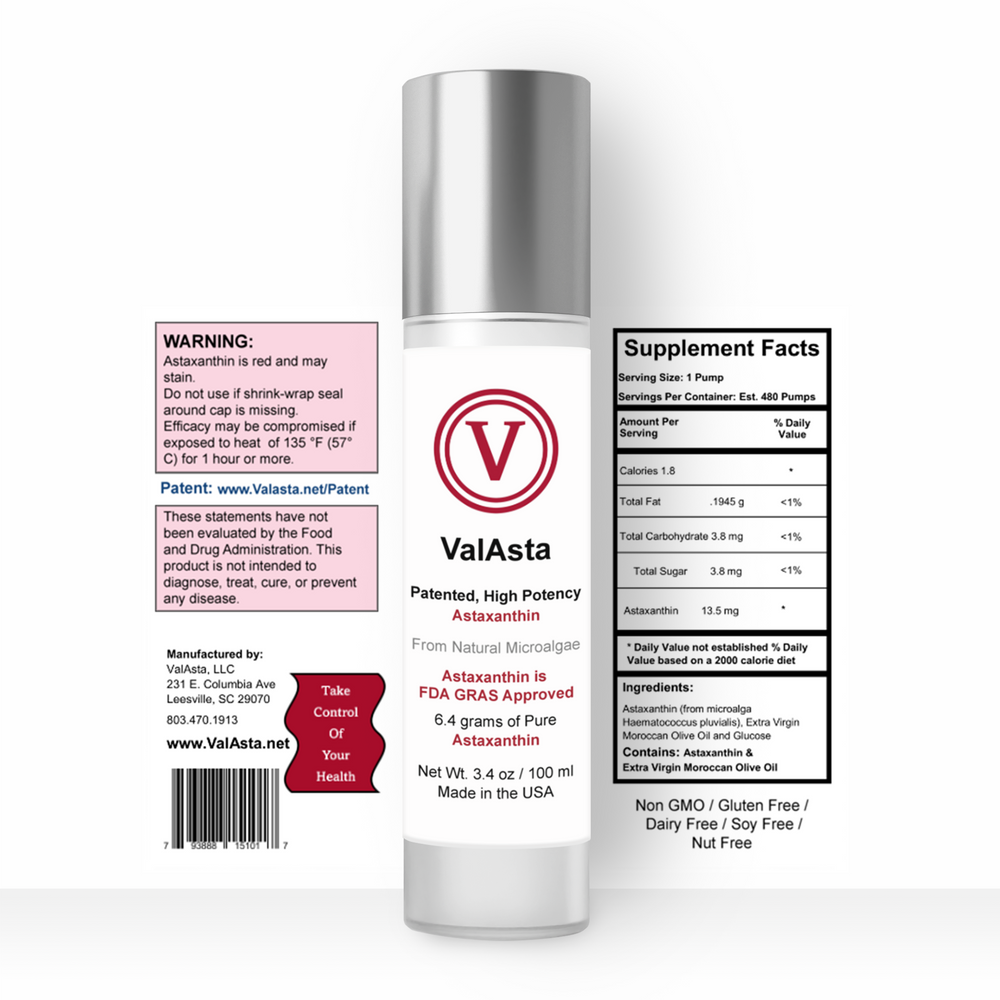
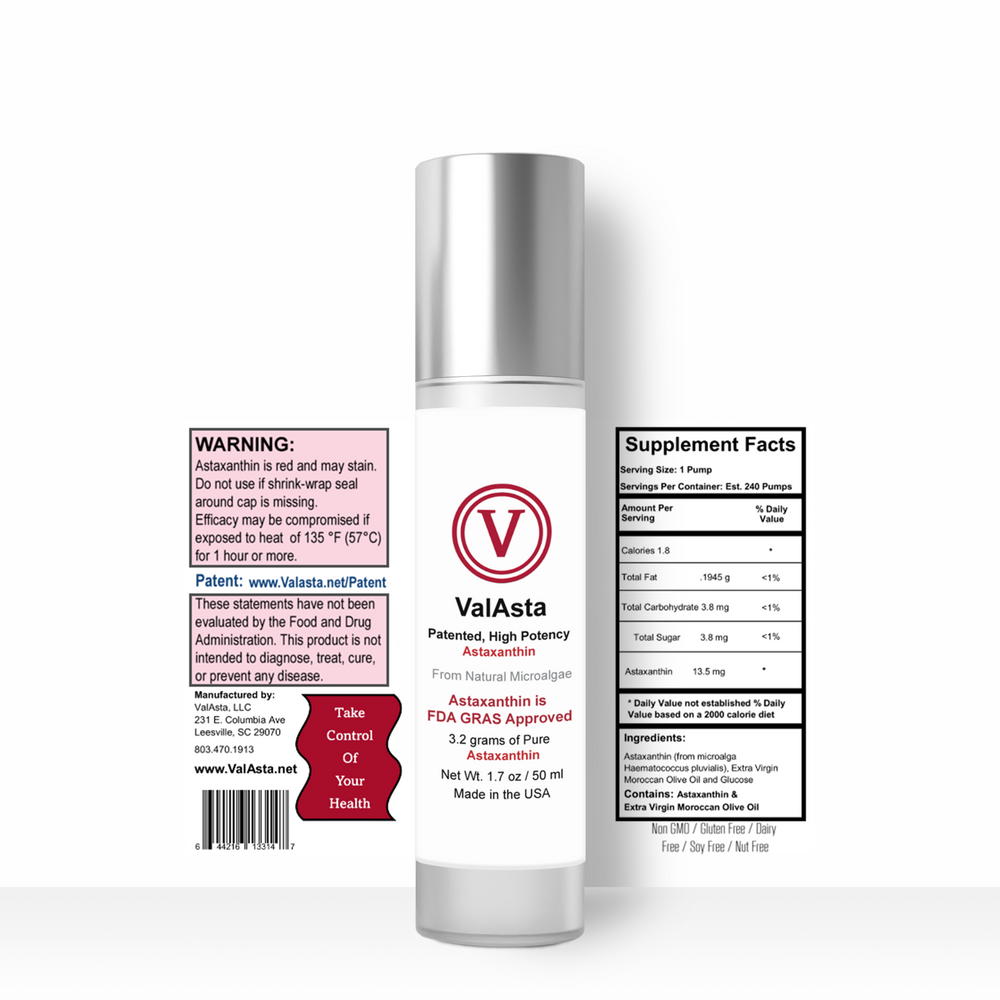
ValAsta® products are not intended to diagnose, treat, cure, or prevent any disease.