
Animal Health & Nutritional Research
Explore published scientific research and educational resources examining animal physiology, nutritional science, cellular antioxidant systems, oxidative stress, metabolic function, and immune-related biological processes. This collection includes investigations involving domestic dogs and cats, laboratory research, veterinary studies, scientific publications, and independent educational resources concerning astaxanthin and other antioxidant compounds. Findings may vary considerably depending on the animal species, ingredient formulation, study design, and experimental conditions. Research involving astaxanthin does not necessarily establish its safety, suitability, or effectiveness in products intended for household pets. Browse by research topic or search for a specific subject to explore the available scientific literature.
6 resources
About This Research Collection
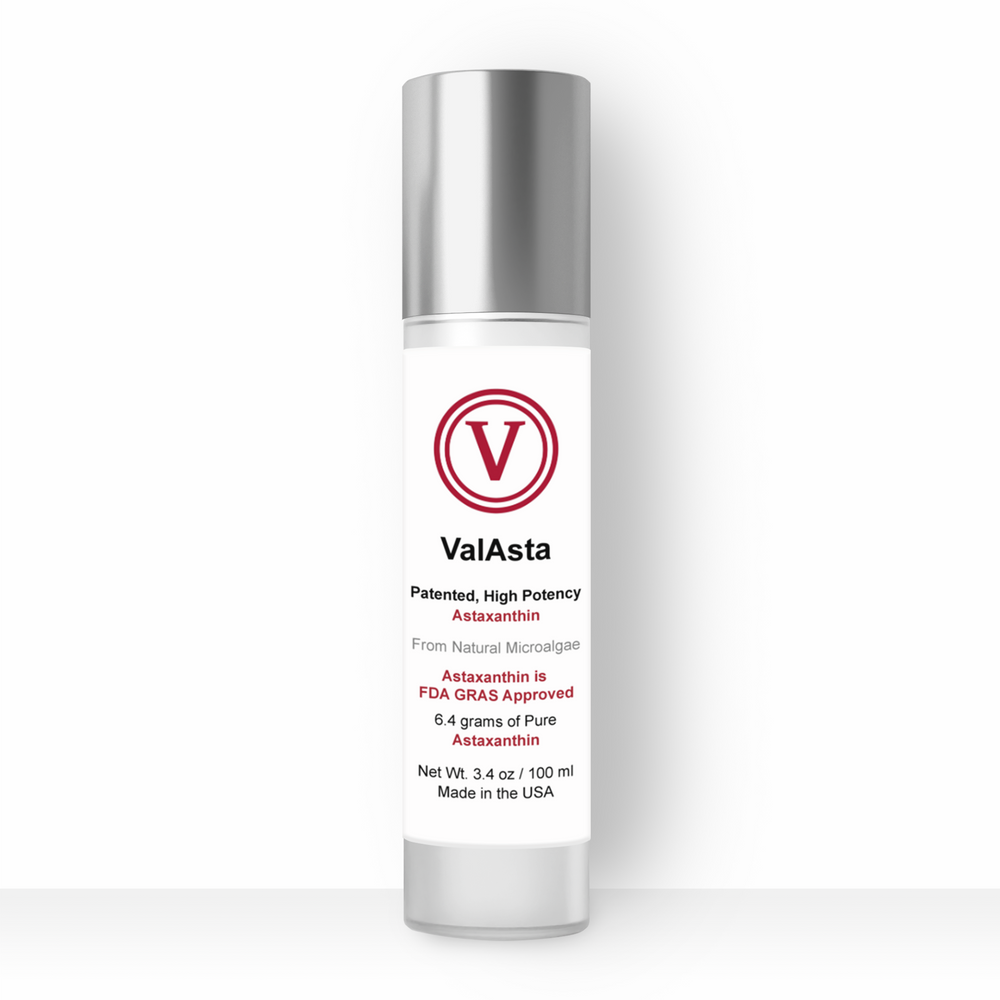
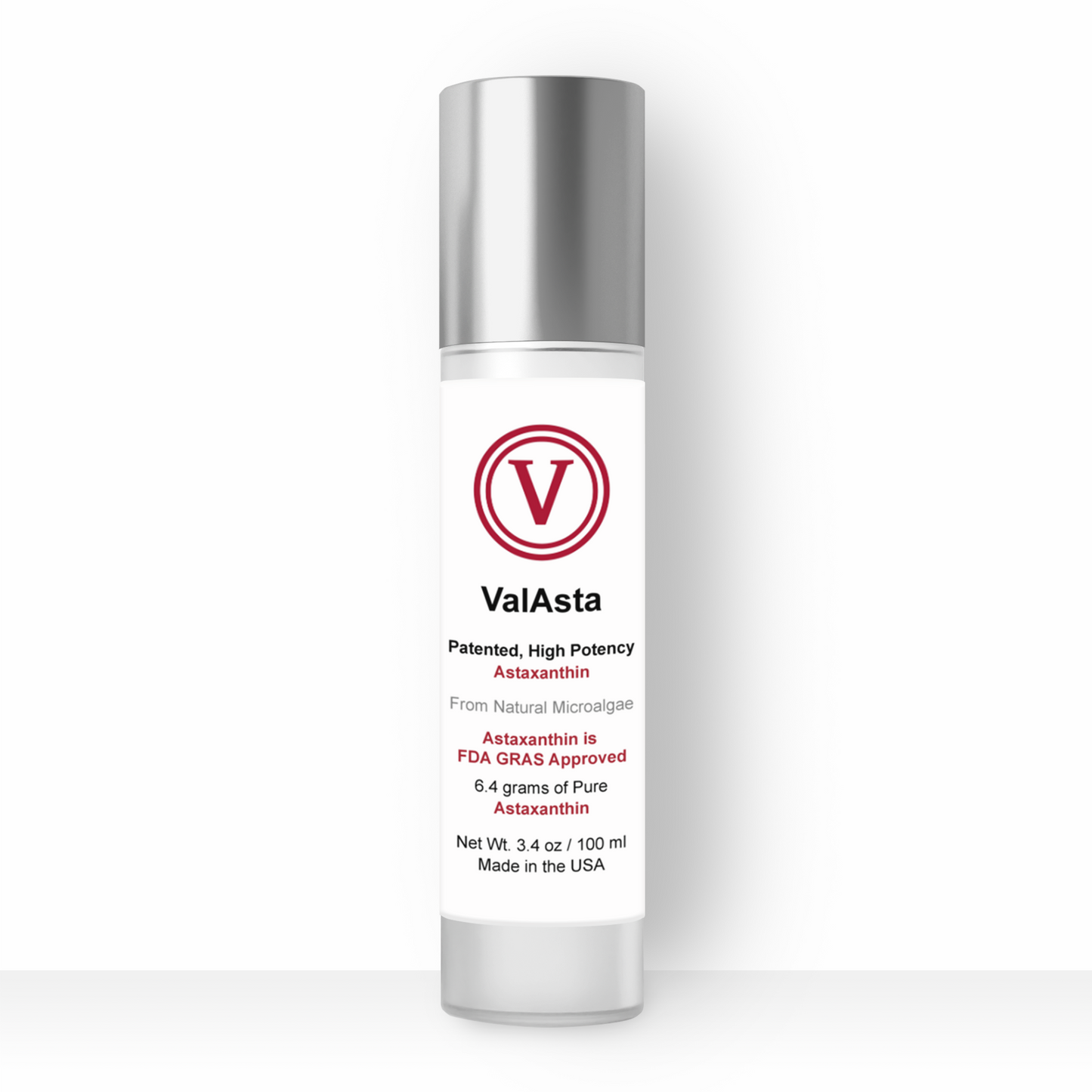
The ValAsta Scientific Research & Educational Library provides access to independently published veterinary research, animal nutrition studies, laboratory investigations, historical research records, and third-party educational publications.
Animal health research may examine normal physiological processes, antioxidant systems, nutrient absorption, cellular metabolism, and immune responses across different species. Findings involving these mechanisms do not necessarily establish clinical benefits or improved health outcomes in pets.
Research involving dogs and cats may investigate different ingredient formulations and experimental conditions. Findings from one species cannot automatically be applied to another. Studies involving isolated cells are not equivalent to clinical investigations involving living animals.
Certain publications address osteosarcoma or experimental inflammatory disease models. These resources are included for scientific education and do not establish that astaxanthin or ValAsta® prevents, treats, or improves cancer, arthritis, or other diseases in pets.
Changes in blood antioxidant markers, lipid metabolism, nutrient absorption, or immune-cell measurements do not necessarily demonstrate improved animal health, treatment effectiveness, or long-term safety.
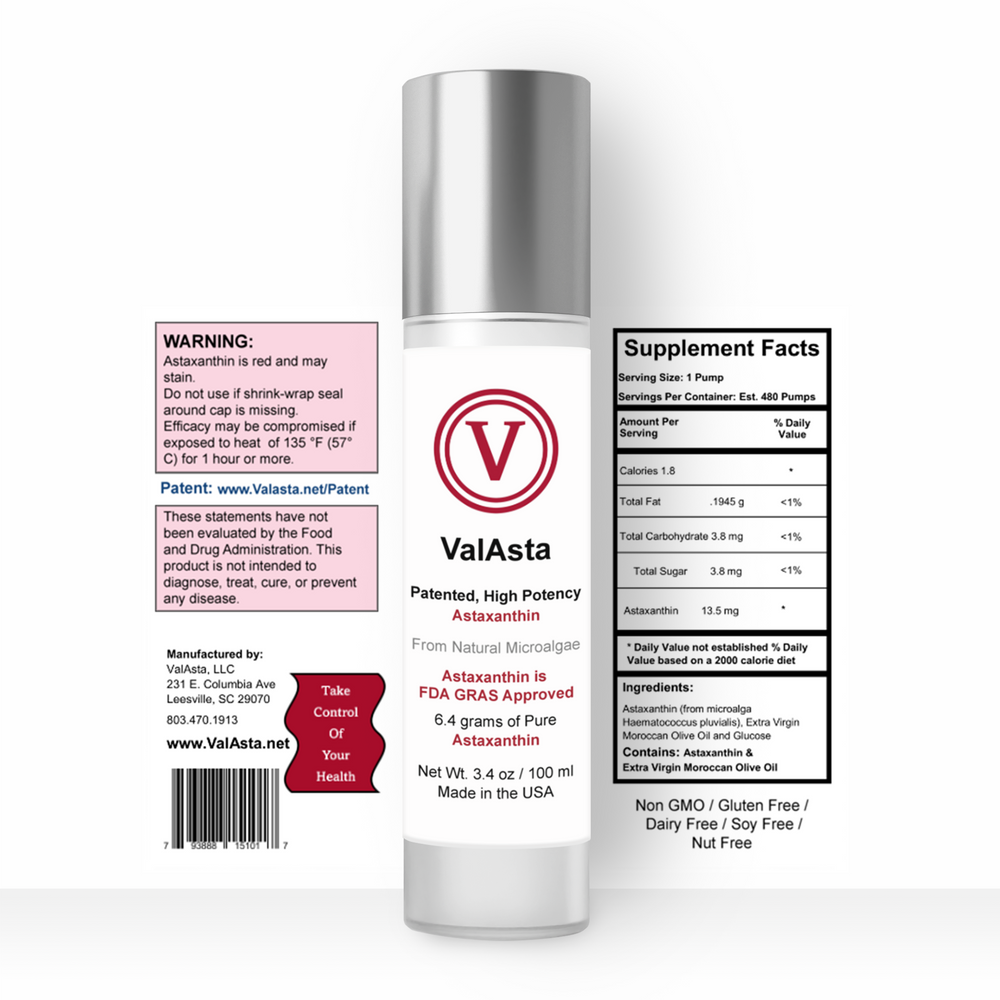
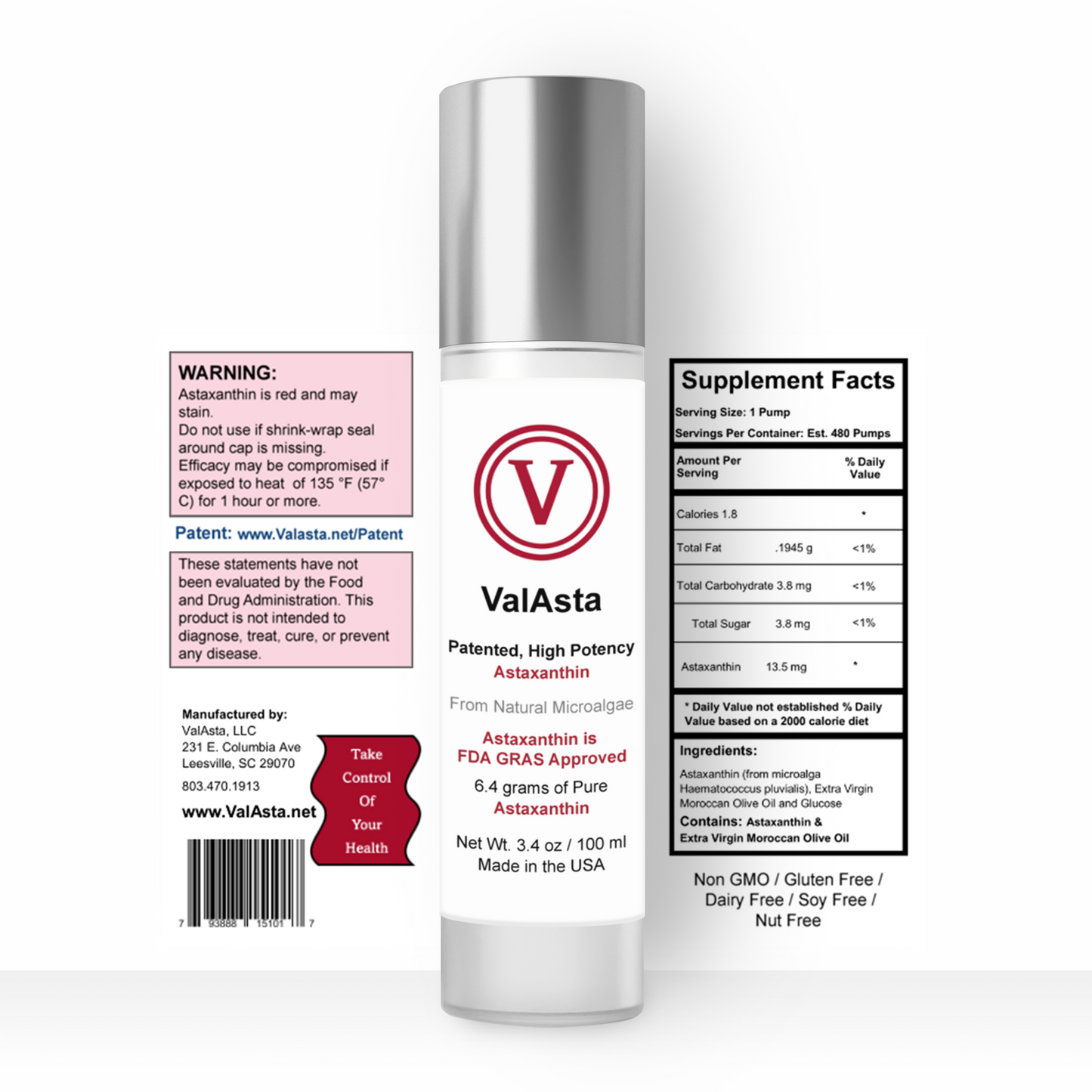
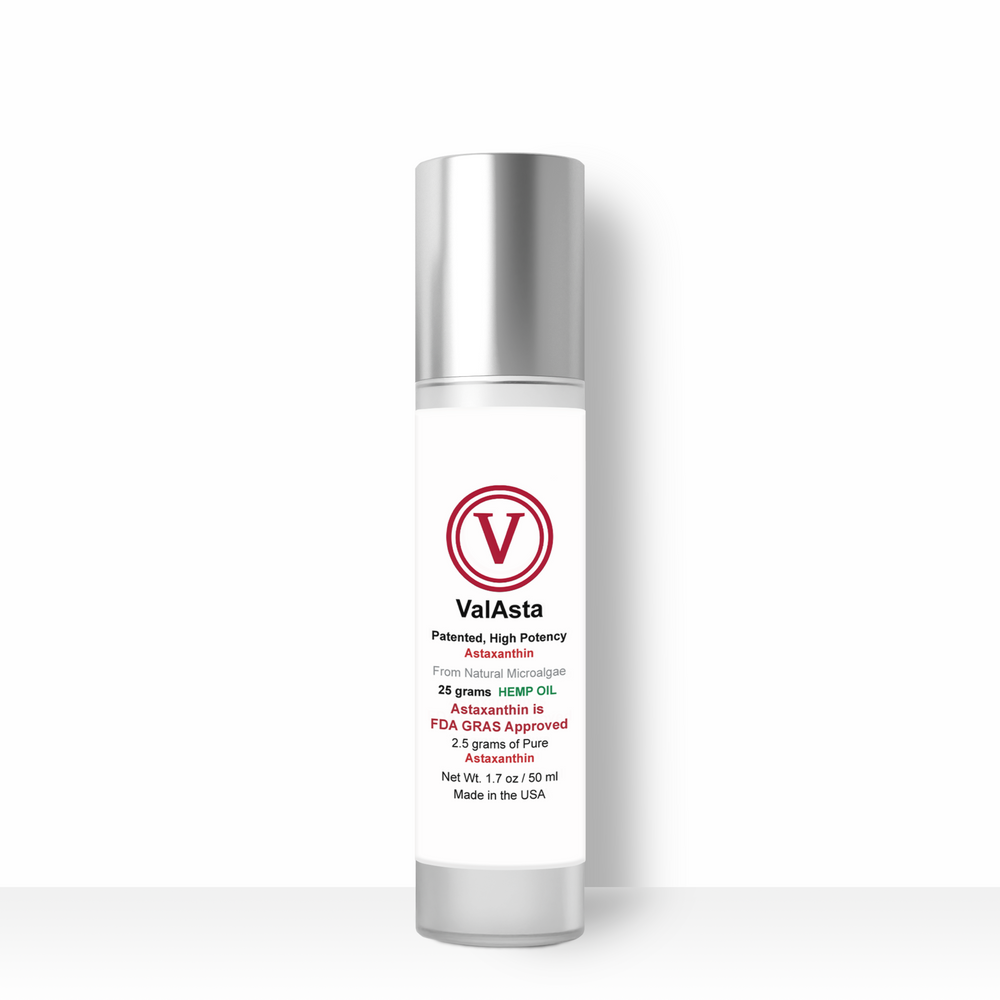
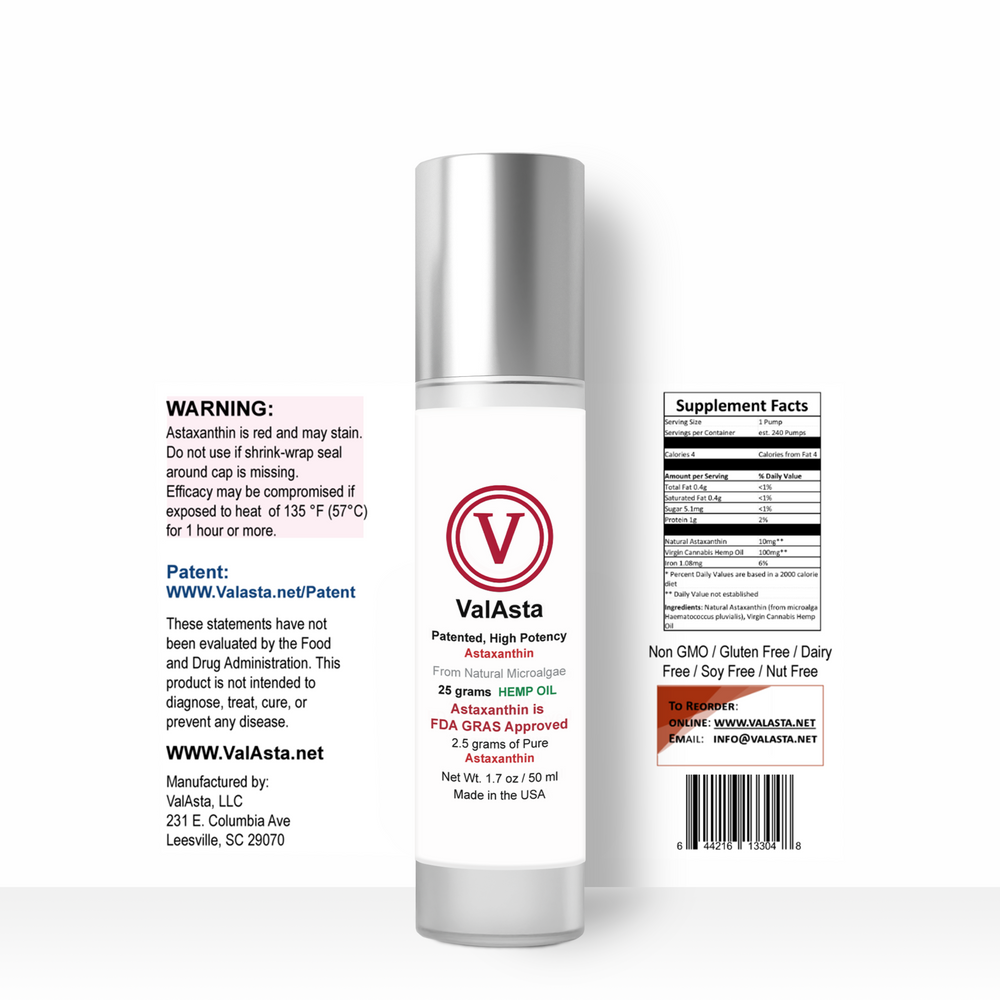
Important Animal Product Information: ValAsta® is marketed as a human dietary supplement. The inclusion of veterinary research in this collection is not a recommendation or instruction to administer ValAsta® to dogs, cats, or other animals.
The FDA does not recognize dietary supplements for animals as a separate regulatory category equivalent to human dietary supplements. Products intended for animal consumption may instead be regulated as animal foods or animal drugs, depending on their ingredients and intended uses.
Research formulations, concentrations, feeding protocols, and experimental conditions may differ substantially from commercially available products. The amounts used in published studies should not be interpreted as serving recommendations for household pets.
Third-party articles and historical research project records may include proposed health benefits, research hypotheses, or promotional statements. Inclusion does not constitute endorsement of those statements or evidence that the proposed outcomes were achieved.
Veterinary Disclaimer: This material is provided for scientific and educational purposes only. It is not veterinary advice, a product-use recommendation, or a substitute for professional veterinary evaluation and care. Pet owners should consult a licensed veterinarian regarding animal nutrition, supplements, medications, or health concerns.
No ValAsta® product is represented by this research collection as intended to diagnose, treat, cure, or prevent disease in animals.