

Understanding Reproductive Health
Exploring the relationship between oxidative stress, cellular processes, and reproductive biology, including emerging scientific investigations involving the carotenoid astaxanthin.
Understanding Reproductive Health
Reproductive health involves a complex interaction of cellular function, hormonal signaling, metabolism, and environmental influences. Researchers continue to investigate how these biological processes contribute to reproductive physiology in both males and females.
One area of scientific interest is oxidative stress, which occurs when the production of reactive oxygen species (ROS) exceeds the capacity of cellular antioxidant defense systems to regulate them.
Reactive oxygen species are naturally produced during normal cellular activity. At controlled levels, they participate in important biological signaling processes. Excessive oxidative activity, however, may contribute to cellular damage and altered physiological function.
Why Oxidative Balance Matters
Reproductive cells depend on carefully regulated cellular processes. Scientific research examines how oxidative balance relates to cell membranes, mitochondrial activity, DNA integrity, and reproductive signaling.
These relationships are complex, and findings involving oxidative stress do not necessarily establish that antioxidant supplementation improves reproductive outcomes.
Male Reproductive Health Research
Male reproductive biology involves sperm development, mitochondrial activity, hormone signaling, and the regulation of oxidative processes.
Researchers have investigated the relationship between elevated oxidative stress and various measurements of sperm function. These include sperm motility, membrane integrity, and DNA fragmentation.
Sperm Cell Biology
Scientific studies examine how oxidative processes interact with sperm cell membranes, cellular signaling, and DNA integrity.
Reactive oxygen species also participate in normal sperm physiology, making appropriate regulation important.
Mitochondrial Function
Mitochondria contribute to cellular energy metabolism and are involved in processes relevant to sperm movement.
Researchers continue to investigate mitochondrial activity and its relationship with oxidative stress in reproductive cells.
Astaxanthin in Male Reproductive Research
Astaxanthin is a naturally occurring carotenoid investigated for its antioxidant properties in laboratory, animal, and human studies.
Some preclinical studies have examined astaxanthin in models of reproductive oxidative stress. Human clinical investigations have also evaluated selected semen parameters.
However, findings across studies have been inconsistent. A 2026 systematic review and meta-analysis found that available human clinical trials did not demonstrate statistically significant improvements in semen parameters compared with placebo.
Additional well-designed human studies are needed before conclusions can be established regarding clinical reproductive benefits.
Female Reproductive Health Research
Female reproductive physiology involves coordinated hormonal signaling, ovarian activity, cellular metabolism, and numerous regulatory processes.
Estrogen and progesterone are important reproductive hormones, but their concentrations naturally fluctuate throughout different stages of life and the menstrual cycle.
Researchers study how oxidative processes interact with reproductive tissues and cellular functions. These investigations help improve scientific understanding of reproductive biology.
Ovarian Cell Biology
Research explores oxidative signaling, cellular metabolism, and antioxidant defense systems within ovarian tissues.
These processes are part of a complex biological environment influenced by multiple physiological factors.
Hormonal Signaling
Hormonal regulation depends on communication between the brain, endocrine glands, and reproductive organs.
Researchers continue to explore how metabolic and oxidative processes interact with these signaling pathways.
Astaxanthin and Female Reproductive Research
Scientific interest in astaxanthin includes its interaction with oxidative processes in various experimental models.
Although these investigations contribute to broader understanding of antioxidant biology, they do not establish that astaxanthin supplementation regulates estrogen, progesterone, ovulation, or fertility in humans.
Additional clinical research is necessary to determine whether findings from laboratory and animal investigations have meaningful applications to human reproductive health.
Published Scientific Research
The following peer-reviewed publications provide additional information about astaxanthin investigations involving male reproductive outcomes.
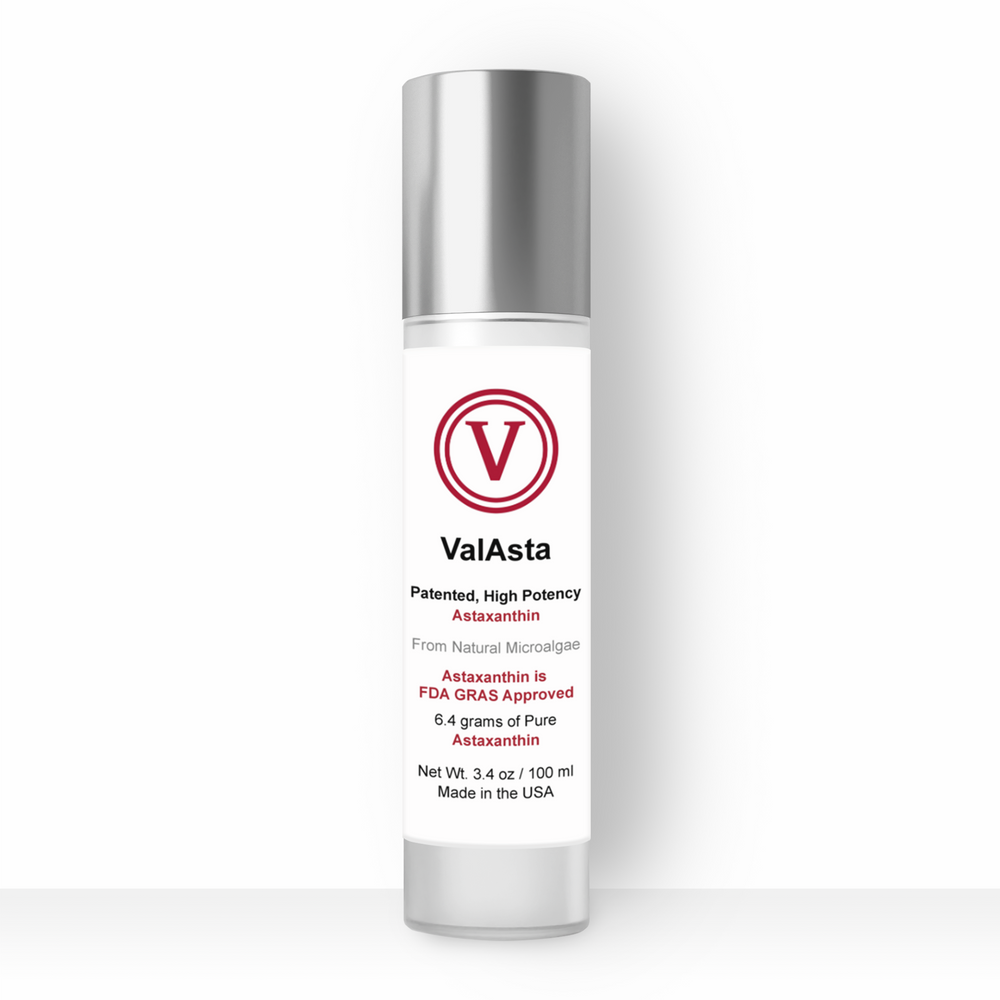
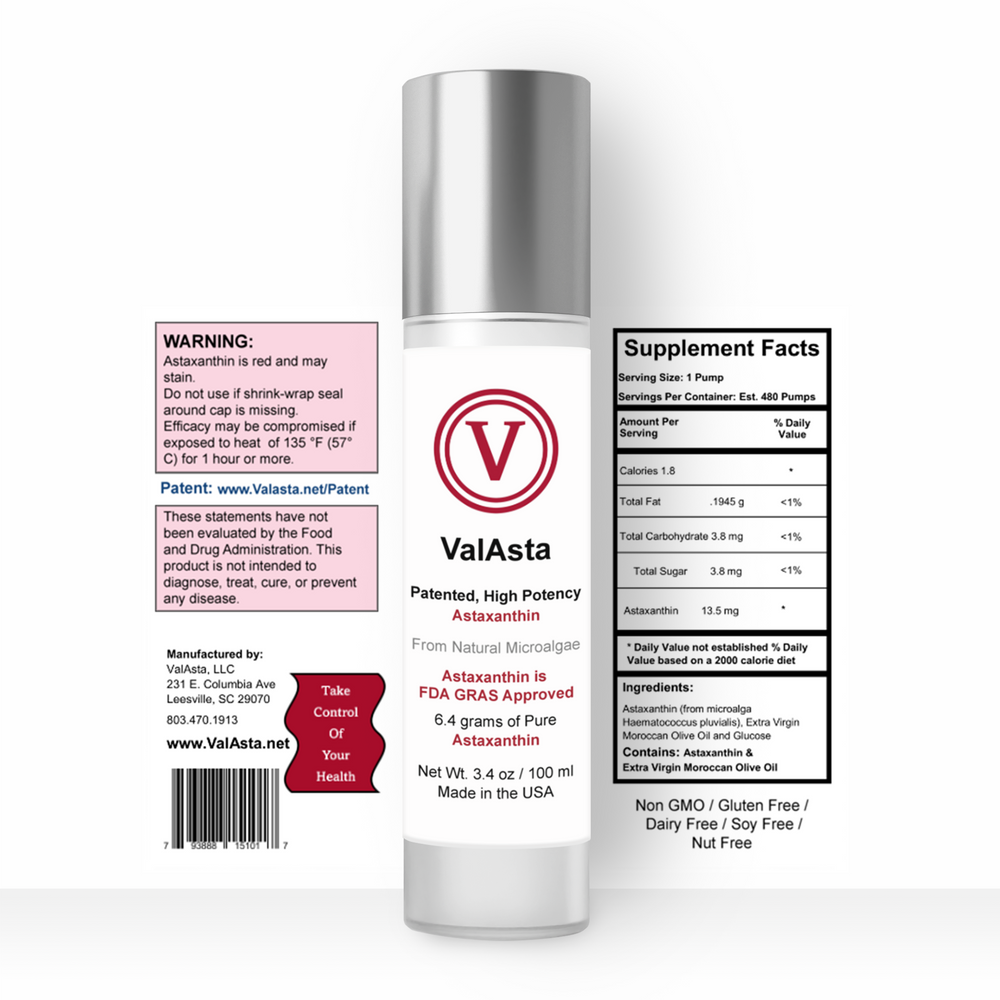
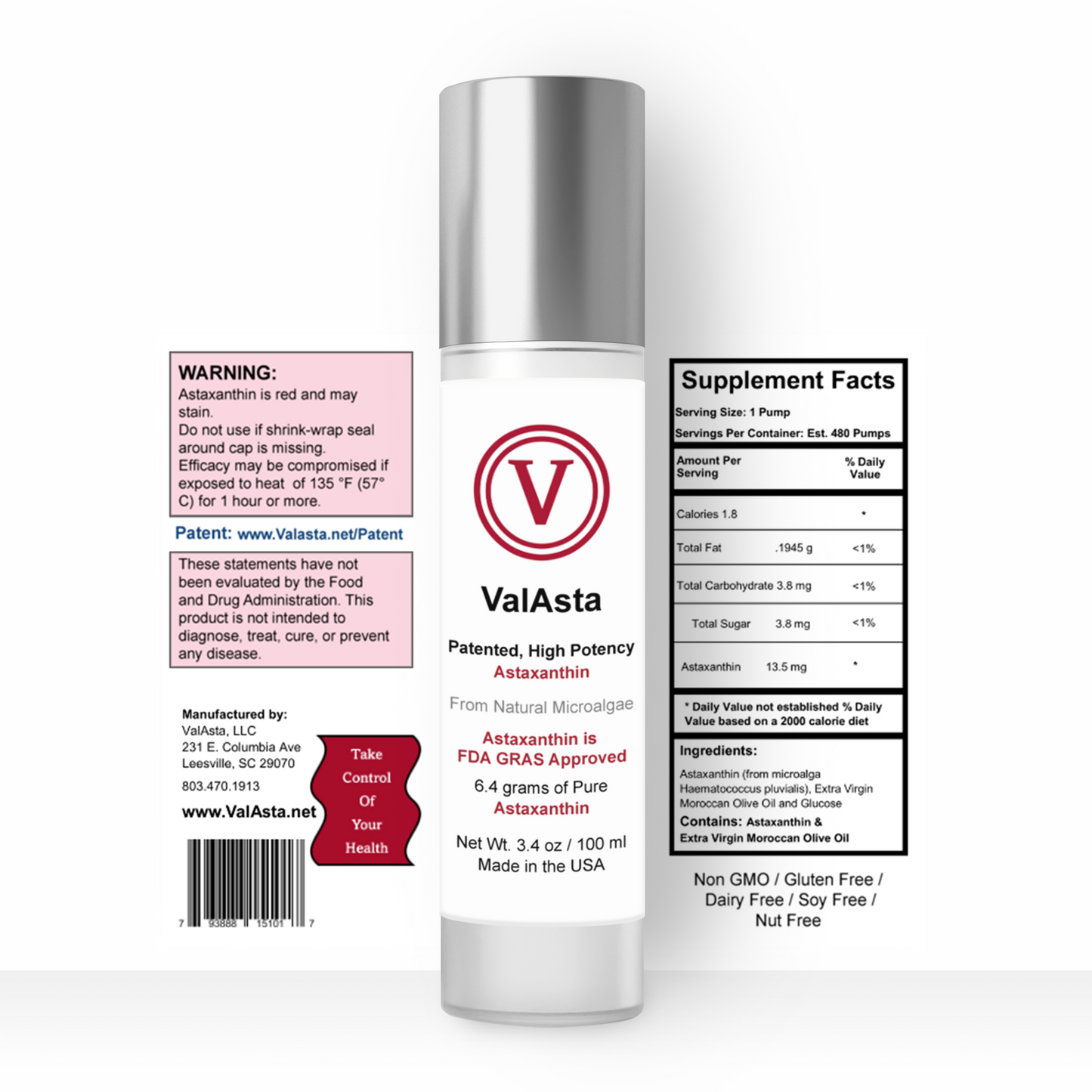
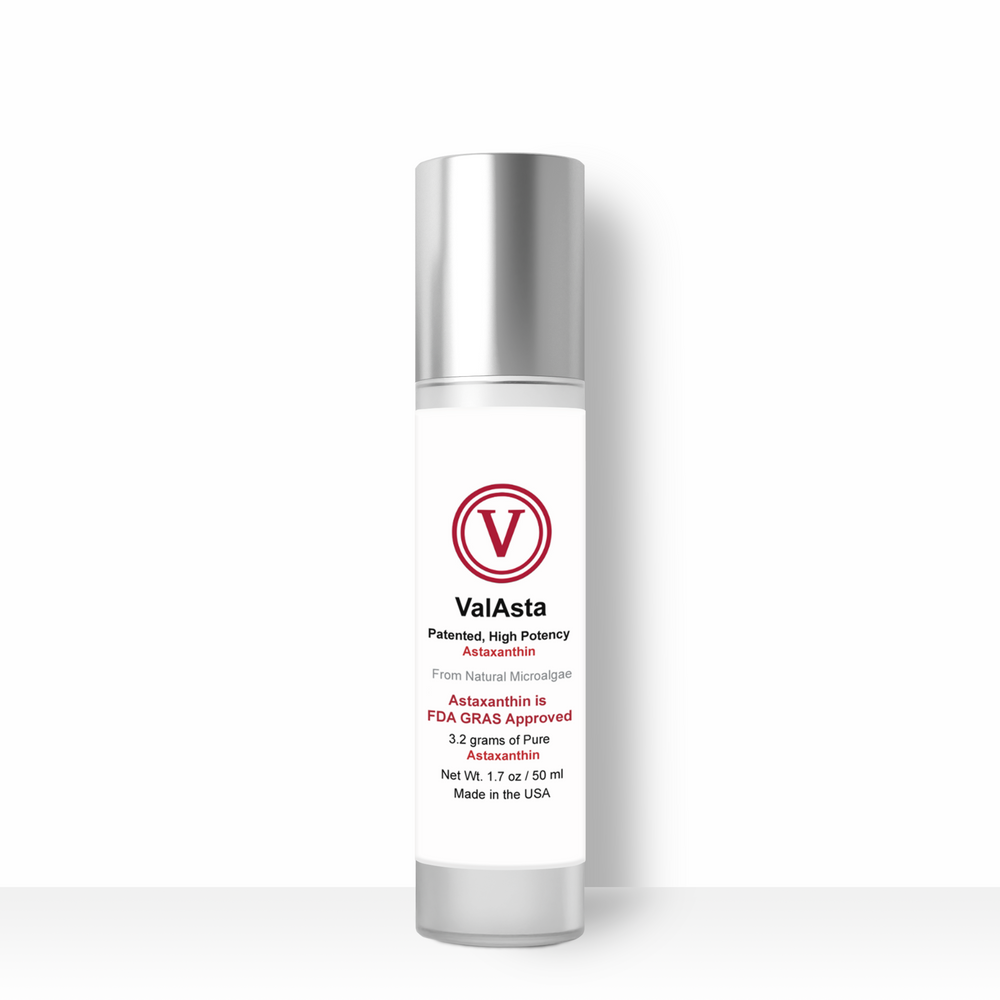
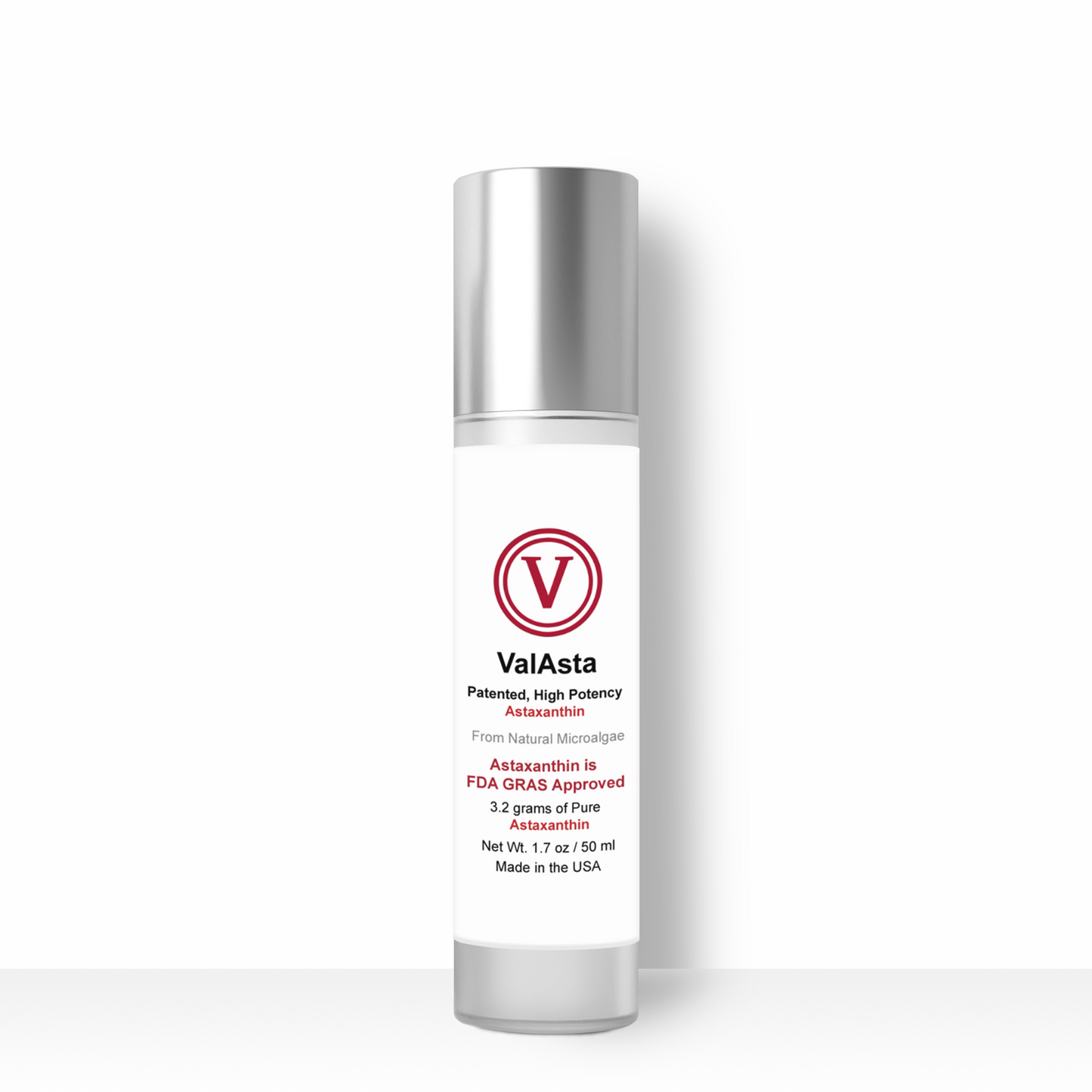
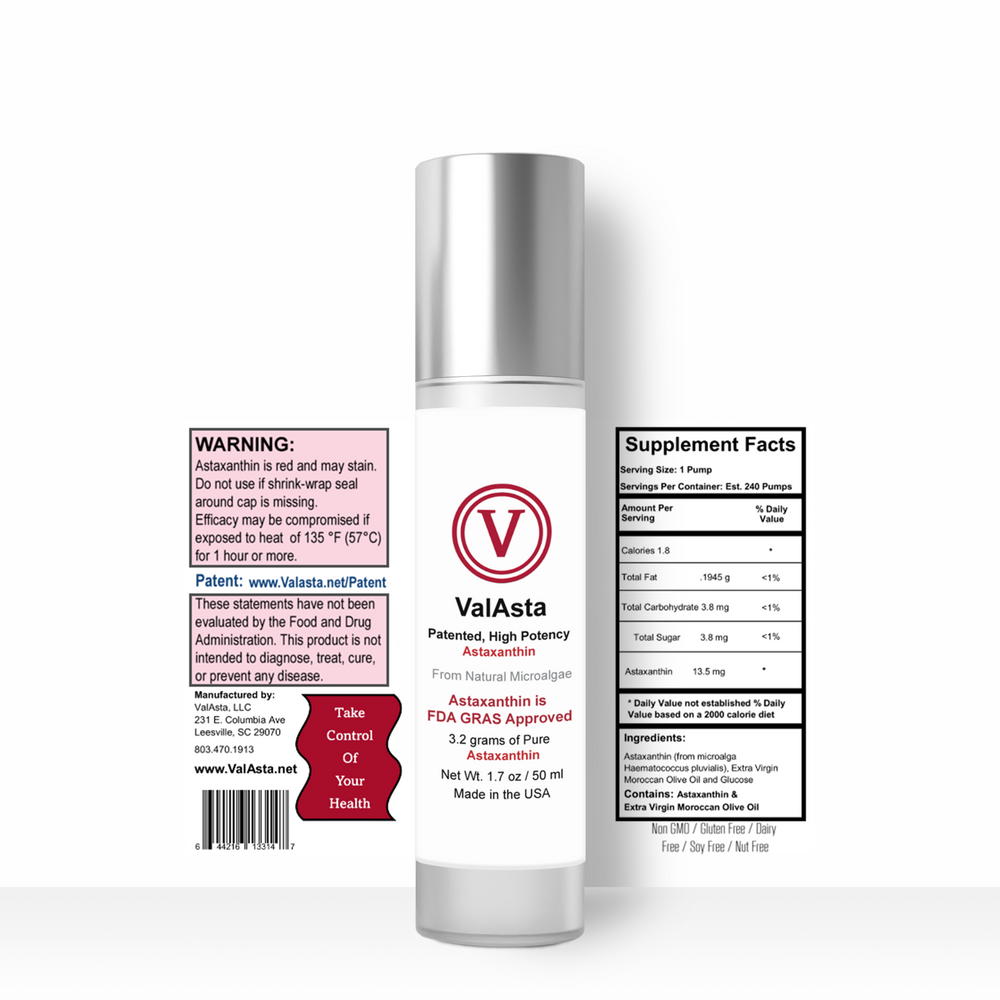
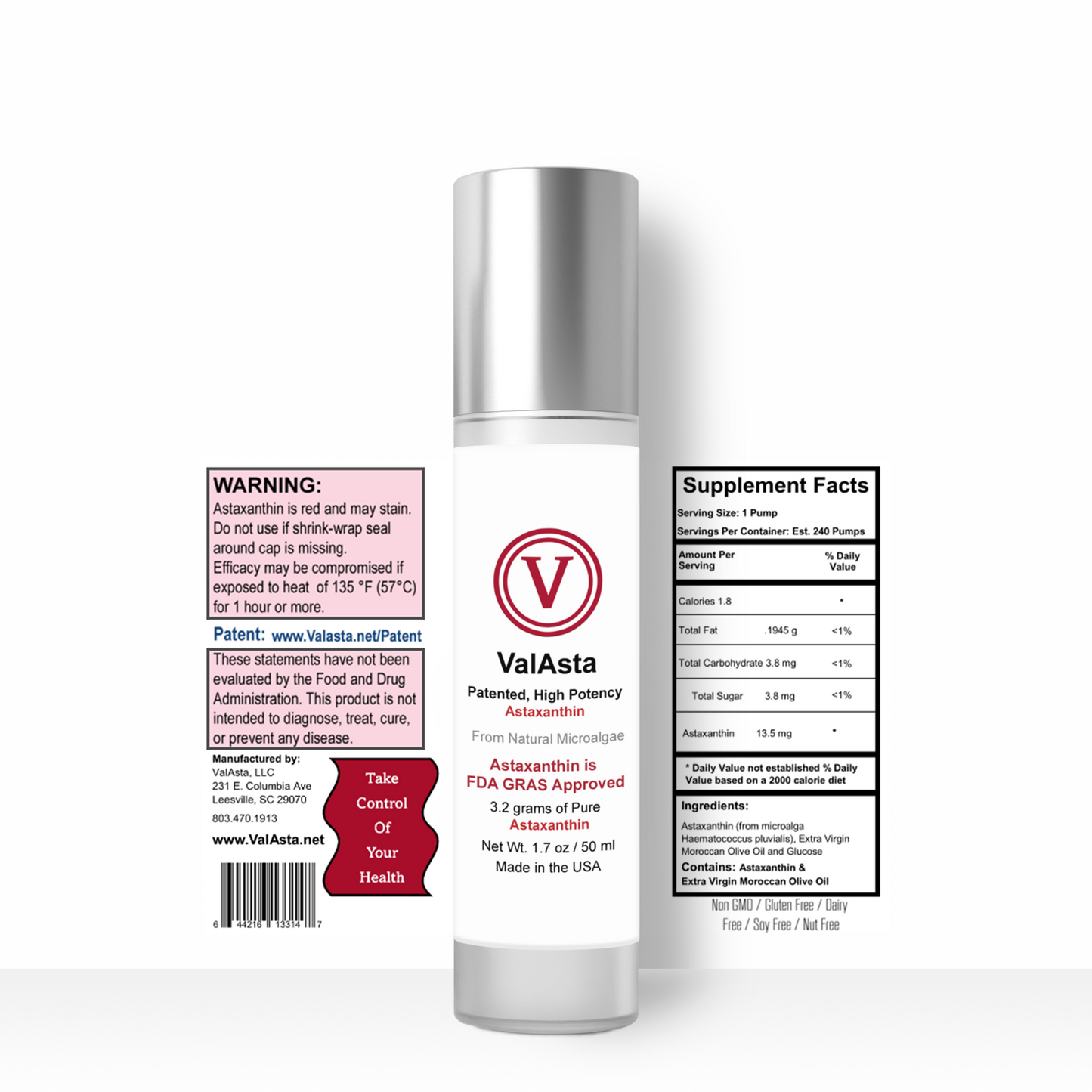
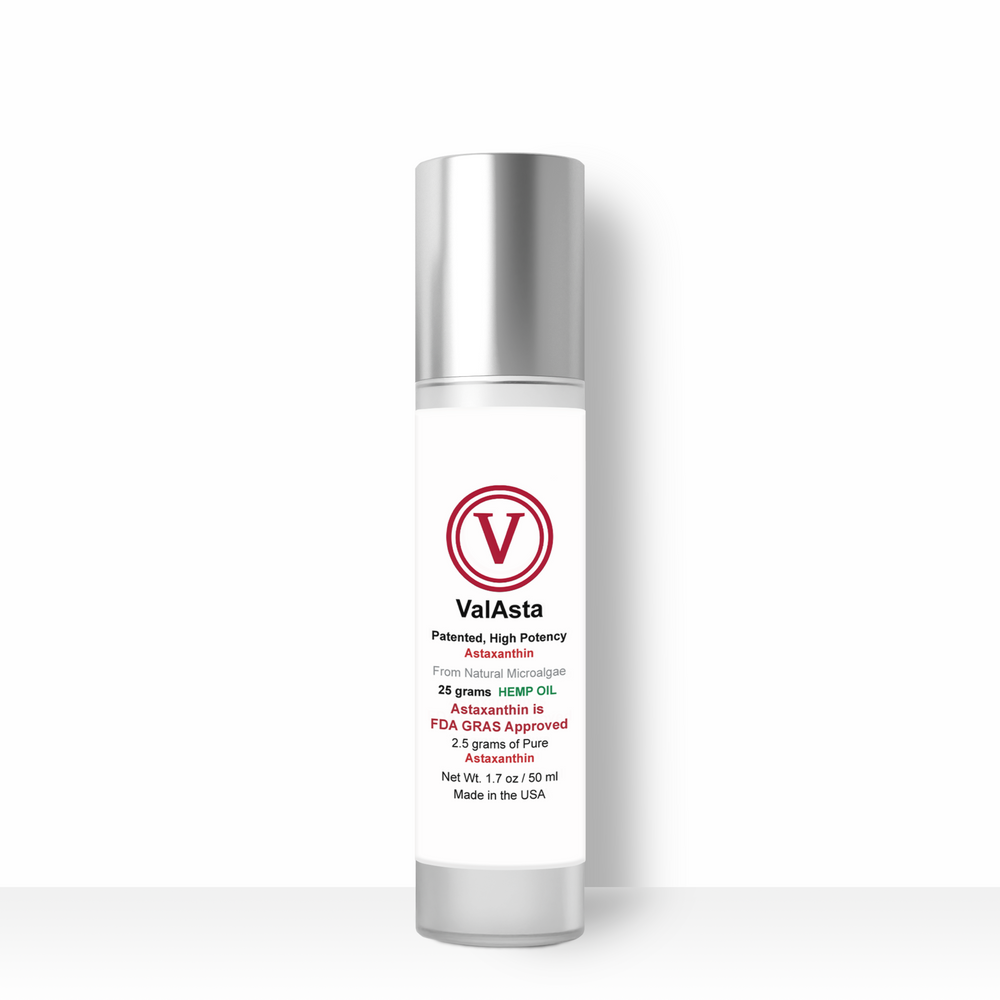
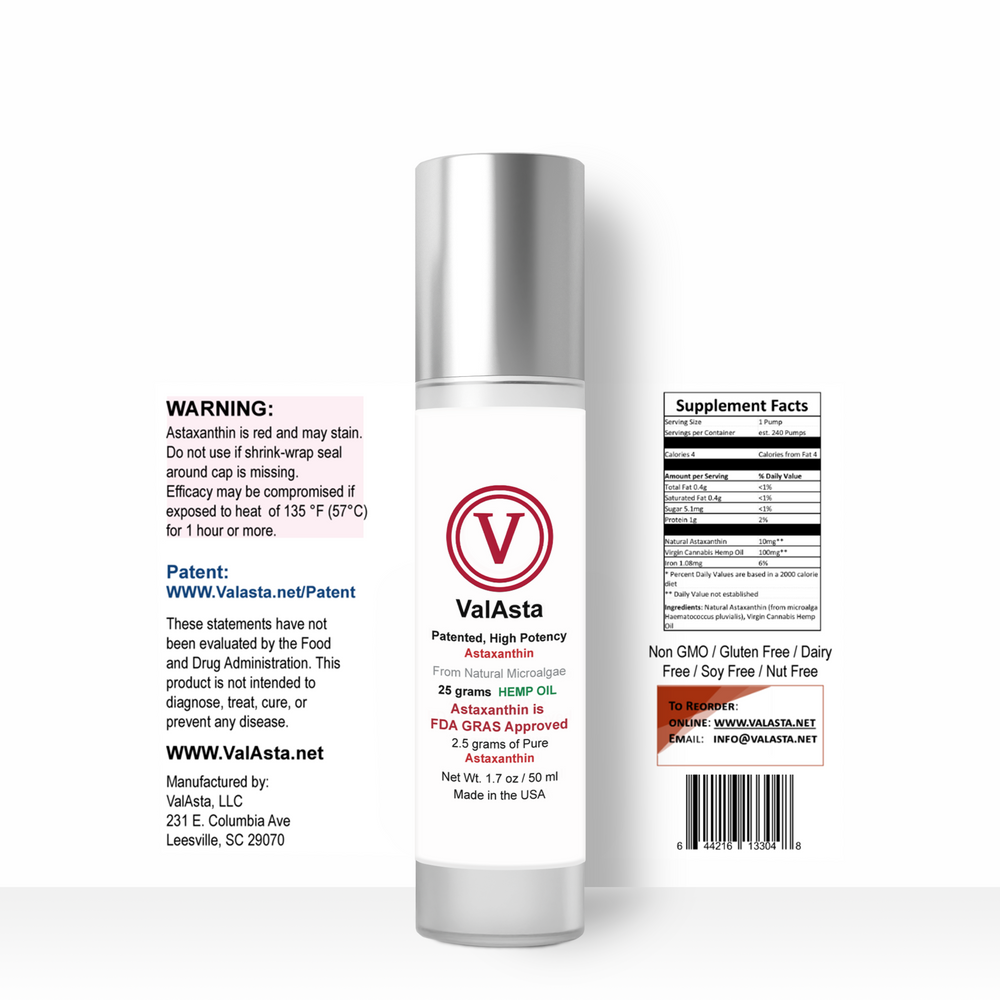
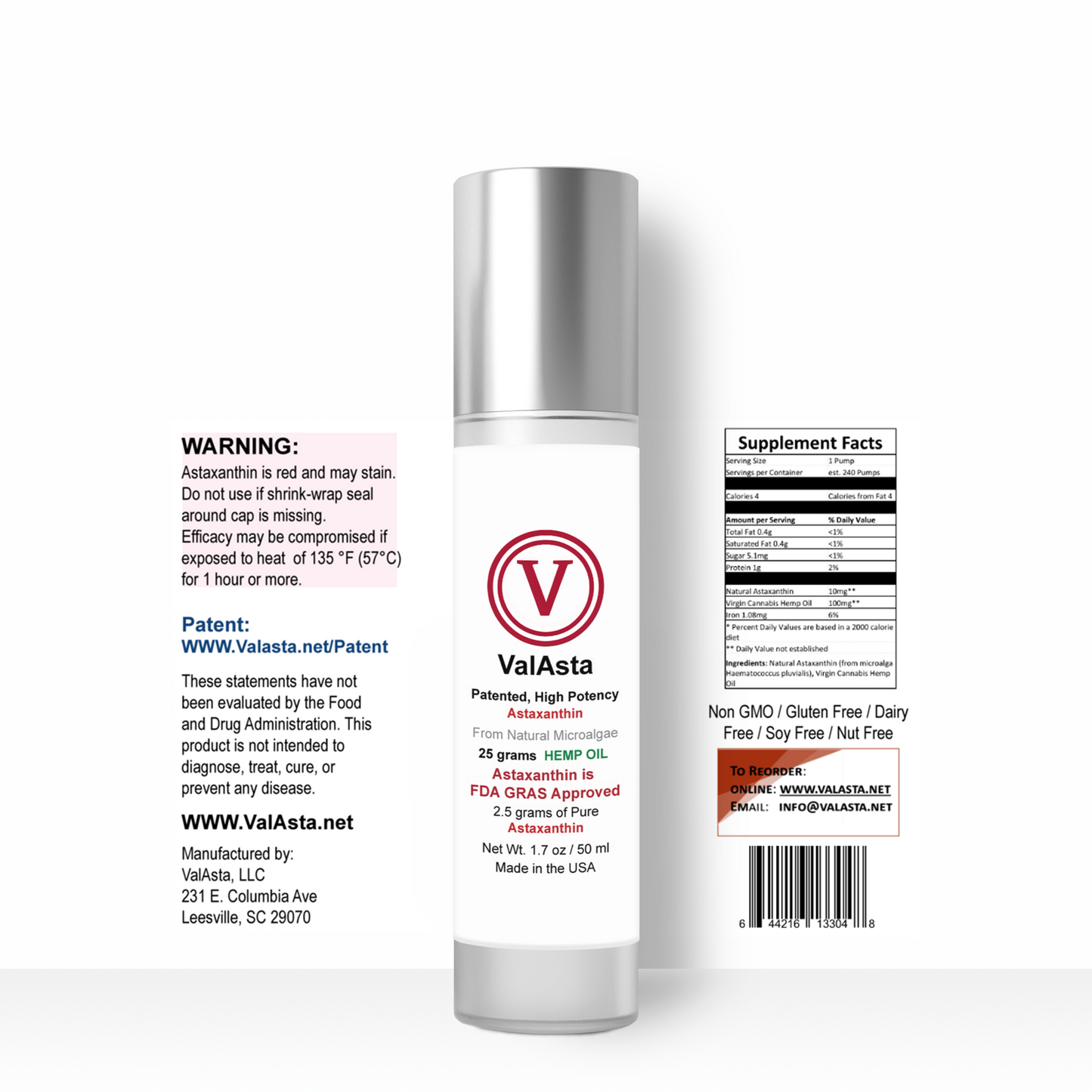
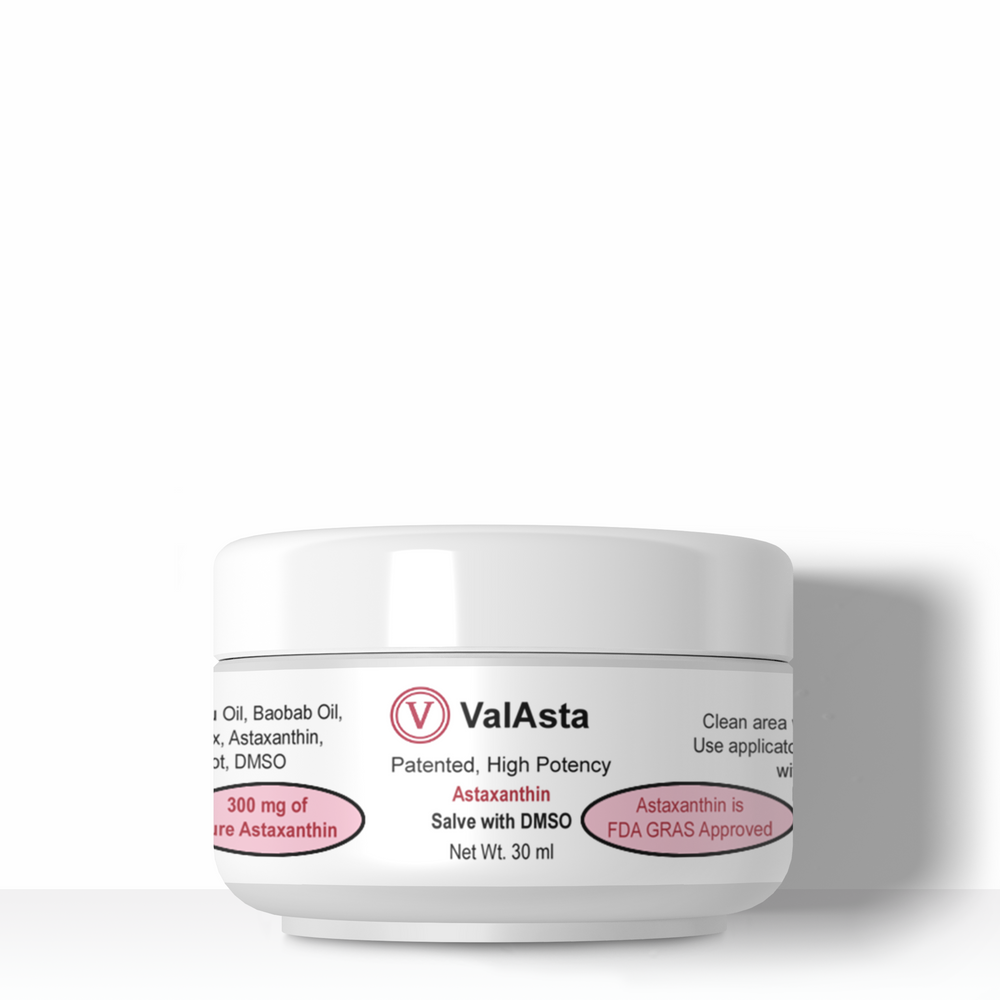
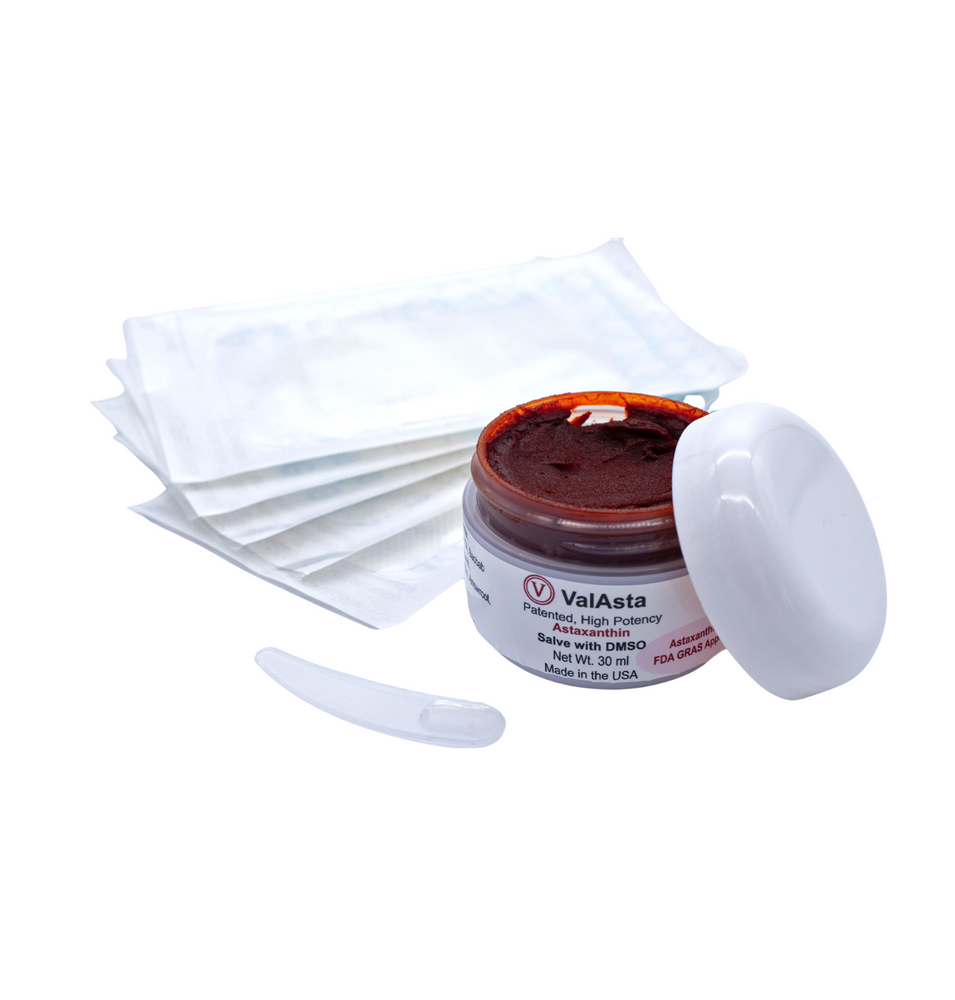
These publications examine astaxanthin as a research substance. They should not be interpreted as clinical validation of any particular commercial formulation, including ValAsta.
A Systematic Review and Meta-Analysis of Astaxanthin Efficacy in Male Infertility
This review evaluated evidence from three human clinical trials and seven animal studies.
Although animal studies reported improvements in several reproductive measurements, the combined human evidence did not demonstrate statistically significant improvements in semen parameters compared with placebo.
The authors concluded that clinical evidence remains limited and that additional human research is needed.
View Publication on PubMedEffect of the Oral Intake of Astaxanthin on Semen Parameters in Patients with Oligo-Astheno-Teratozoospermia
This randomized, double-blind, placebo-controlled study evaluated astaxanthin supplementation and selected semen parameters.
Among the participants completing the study, researchers did not observe statistically significant improvements in the assessed semen parameters within the astaxanthin group.
The findings illustrate the importance of distinguishing laboratory hypotheses from outcomes demonstrated in human clinical trials.
View Publication on PubMedCombined Conventional/Antioxidant Astaxanthin Treatment for Male Infertility: A Double-Blind, Randomized Trial
This small randomized study examined astaxanthin supplementation alongside conventional treatment in men experiencing infertility.
Researchers reported differences in selected measurements and reproductive outcomes between study groups.
However, the study included only 30 participants, and the authors emphasized the need for confirmation through larger clinical trials. Subsequent evidence has not established a consistent clinical benefit.
View Publication on PubMedInterpreting the Research
Scientific investigations differ in their methodology, study populations, formulations, quantities administered, and measured outcomes.
Results obtained in laboratory or animal models cannot automatically be applied to human health. Likewise, research involving one astaxanthin formulation does not establish equivalent effects for another formulation.
Current Scientific Perspective
Astaxanthin remains an area of investigation in reproductive oxidative-stress research.
Current human evidence does not establish that astaxanthin improves fertility, restores reproductive function, or corrects hormonal imbalances.
Further clinical studies are needed to evaluate safety, biological relevance, and clinically meaningful reproductive outcomes.