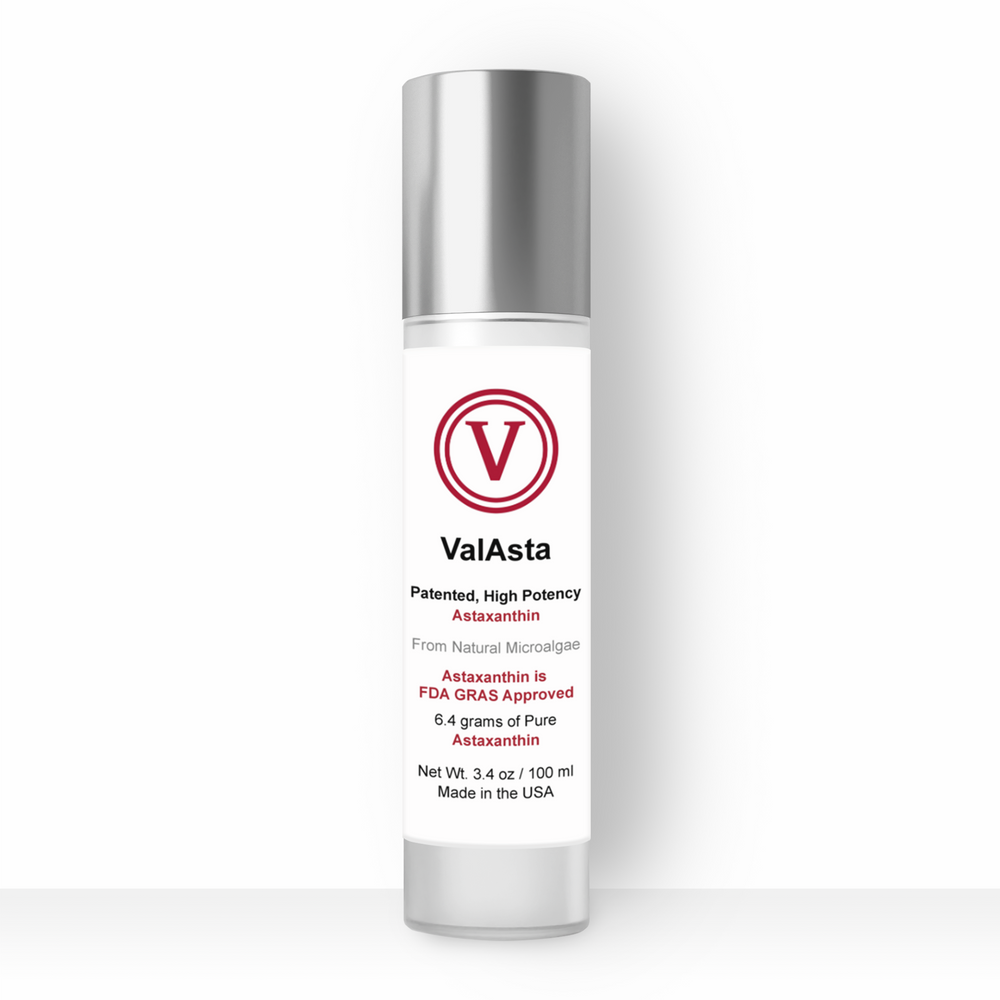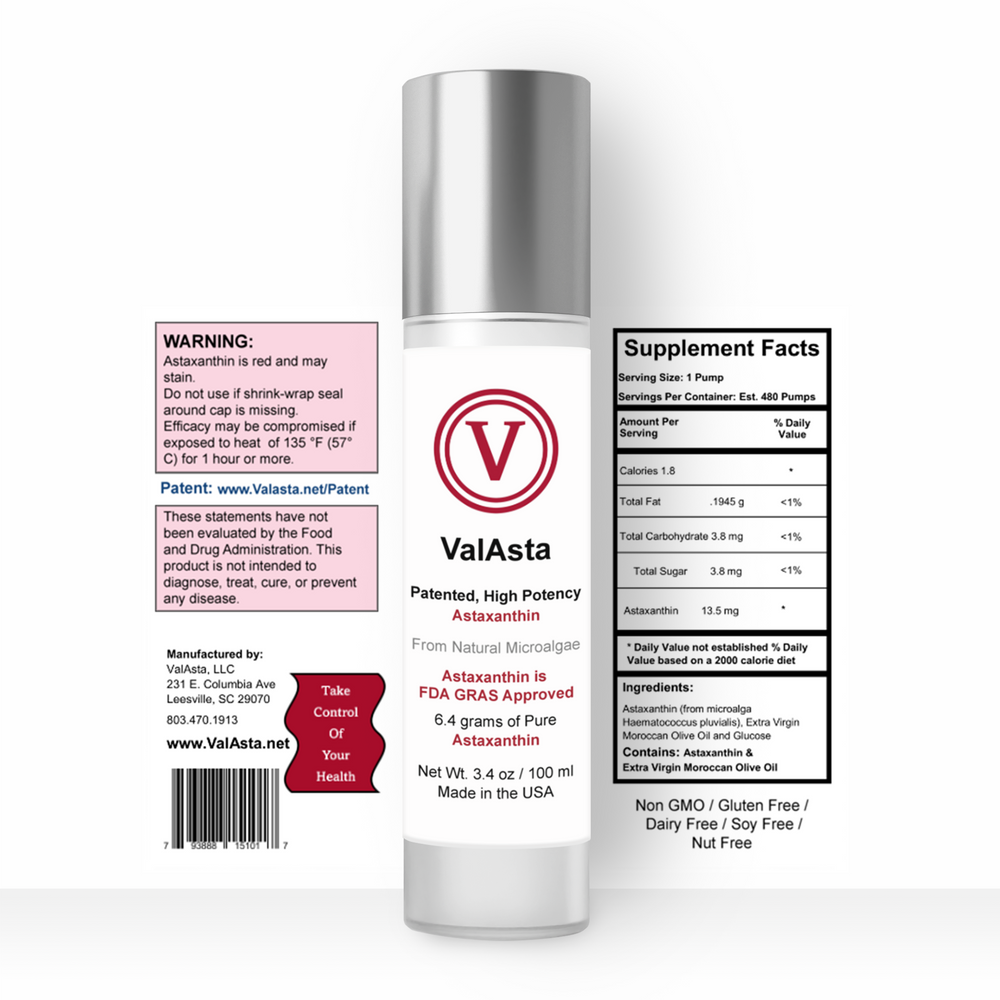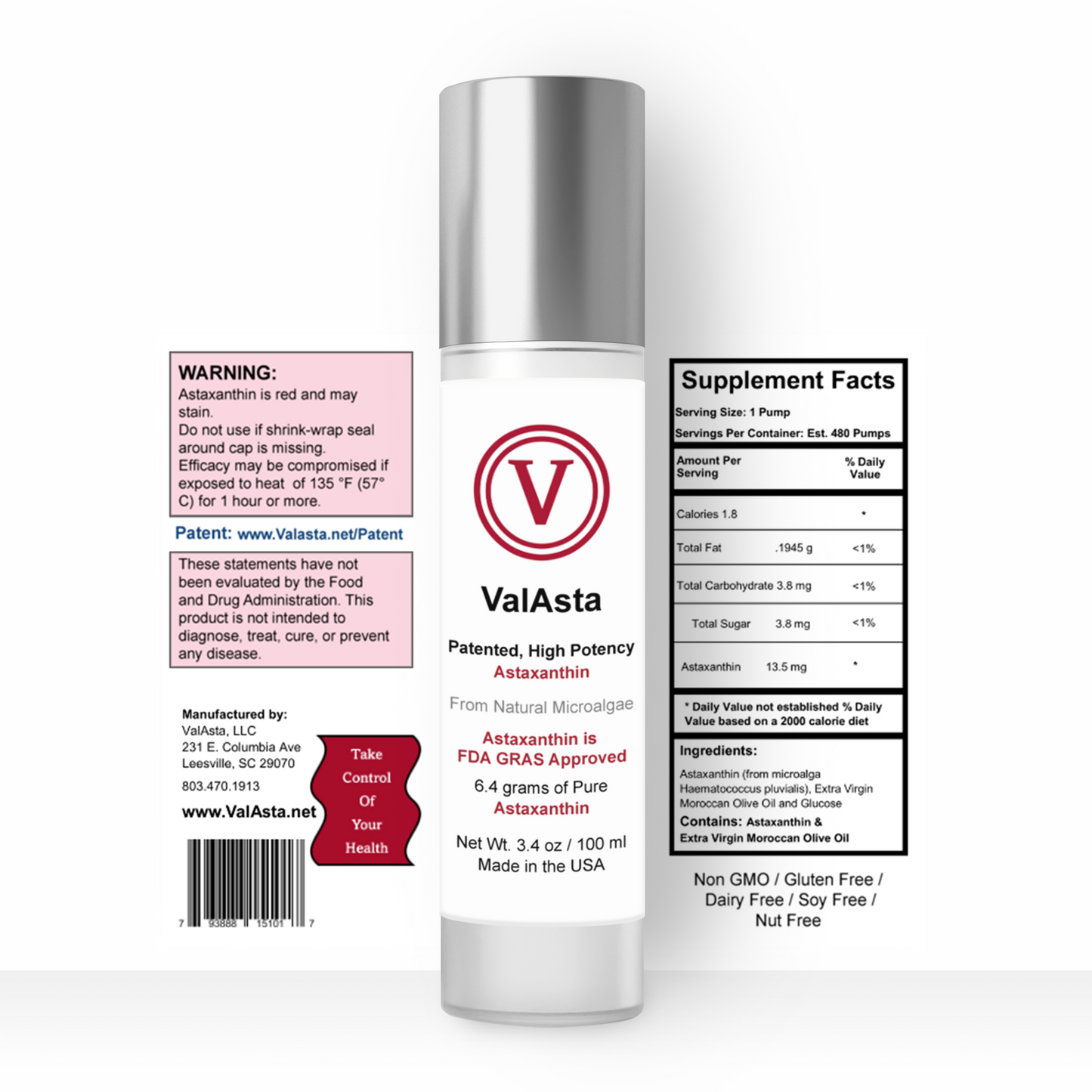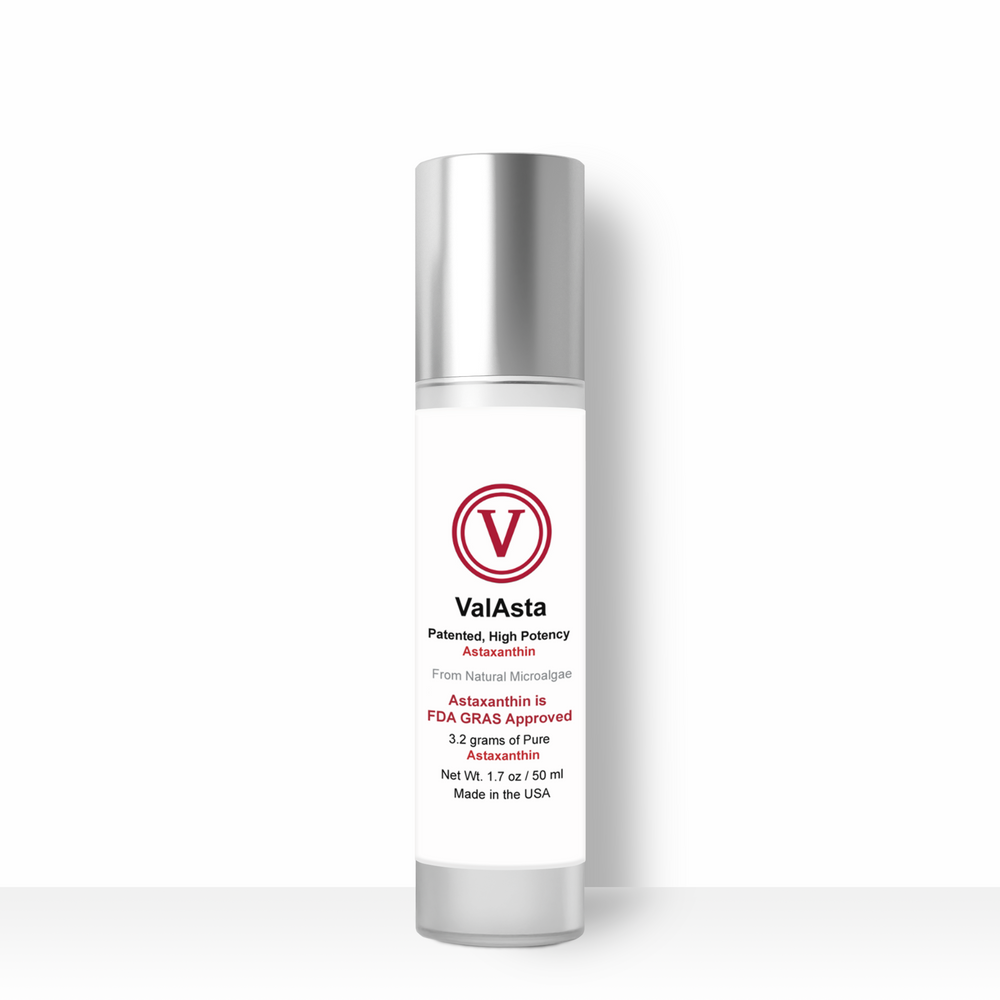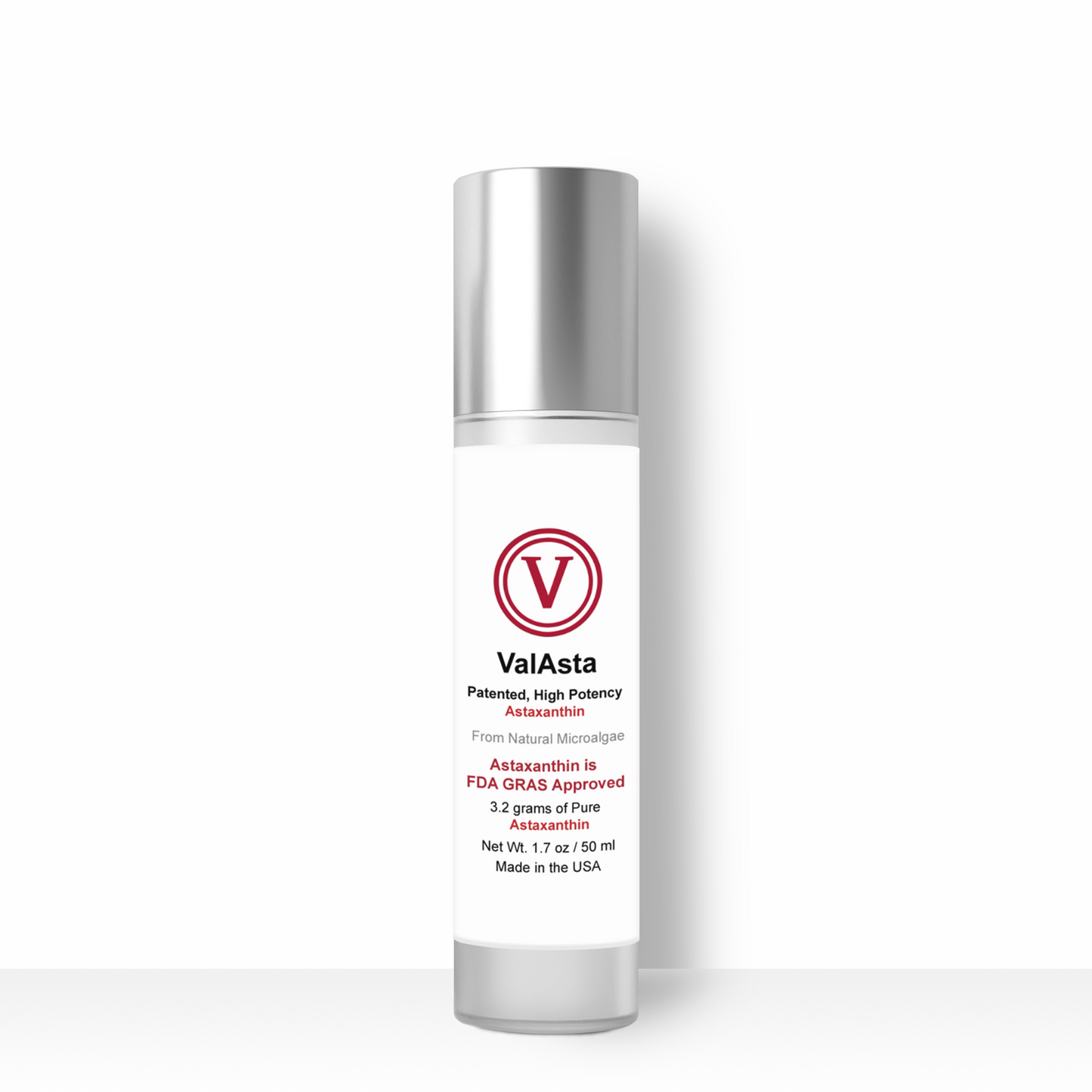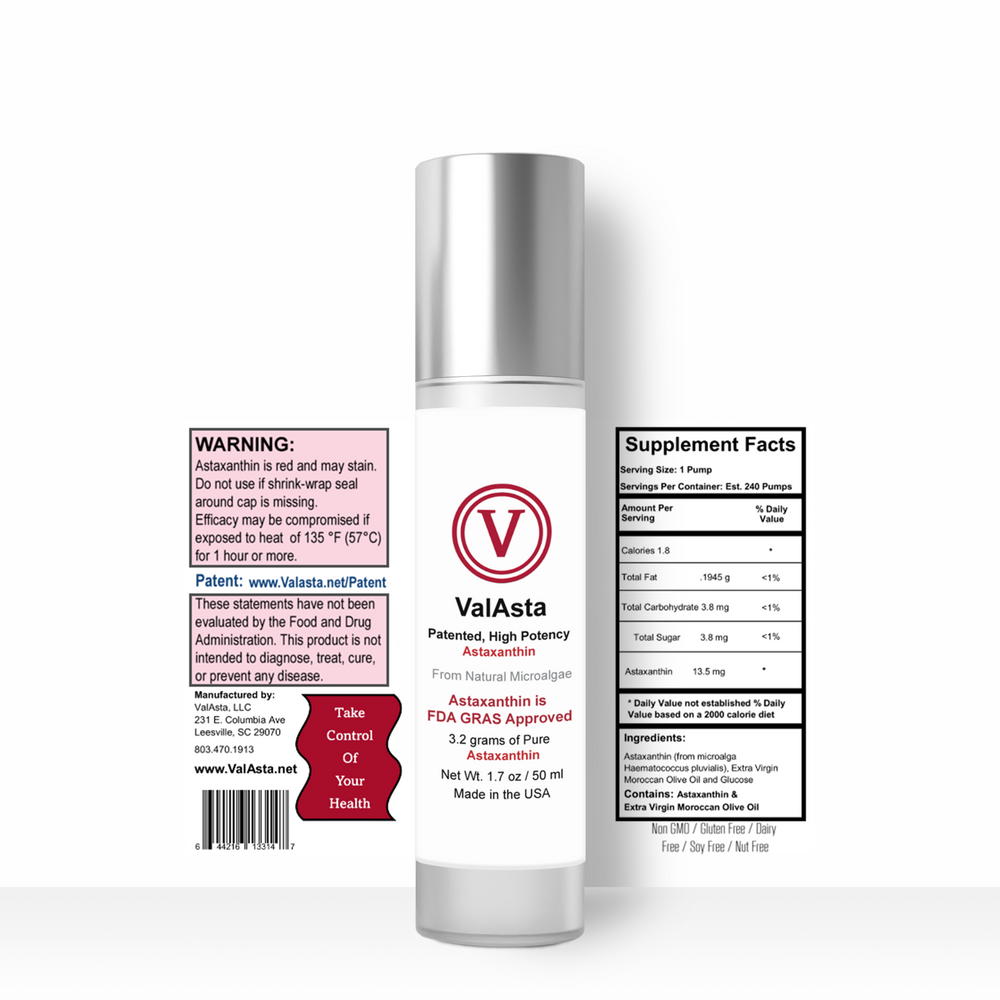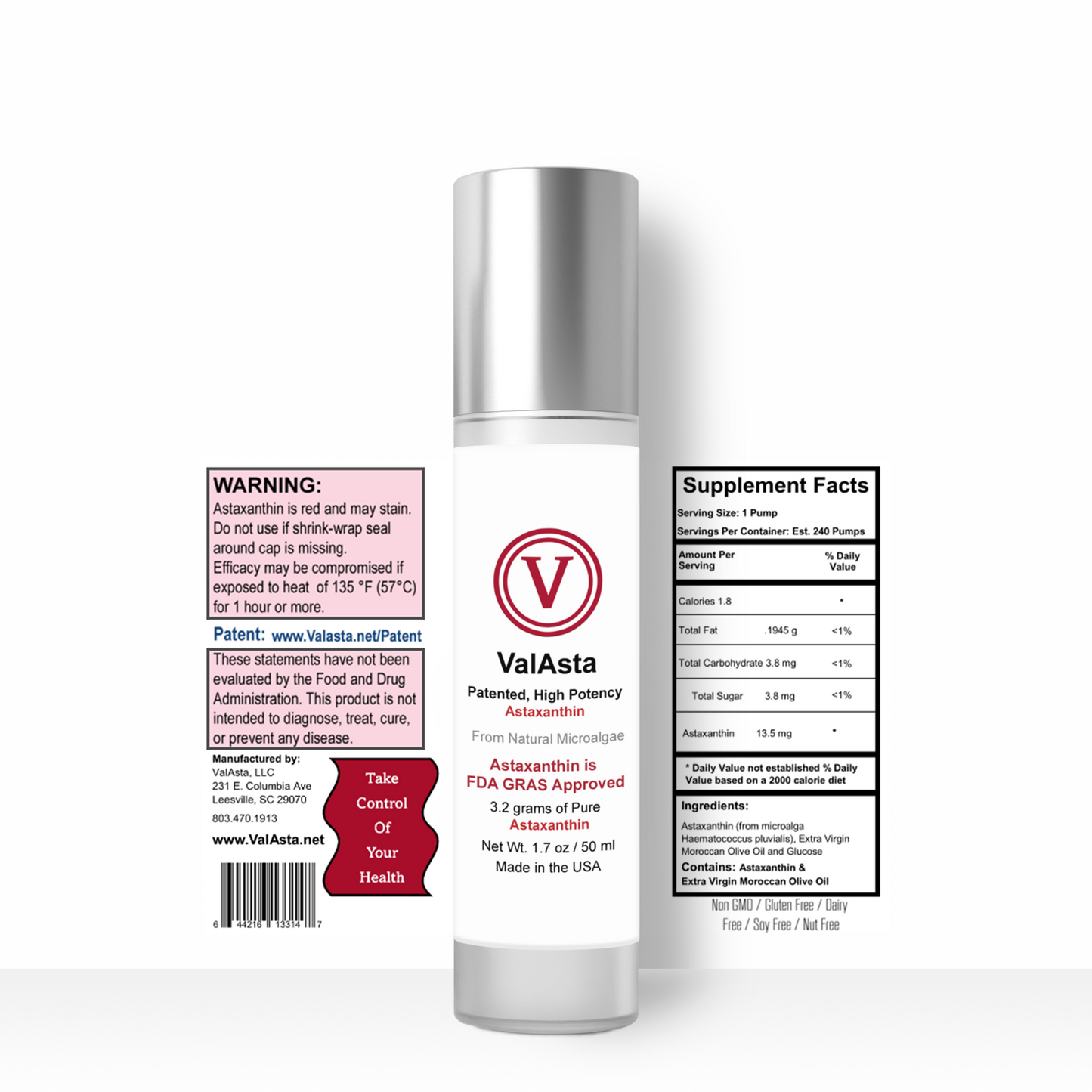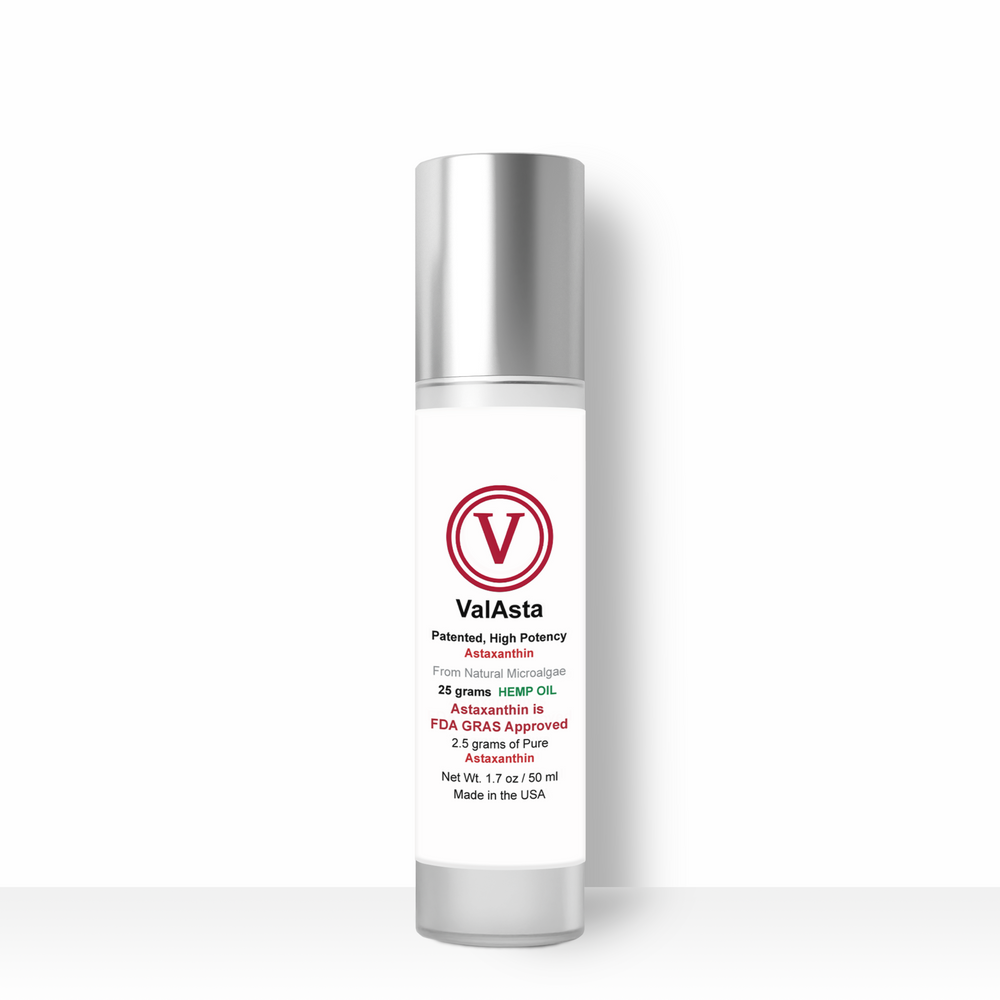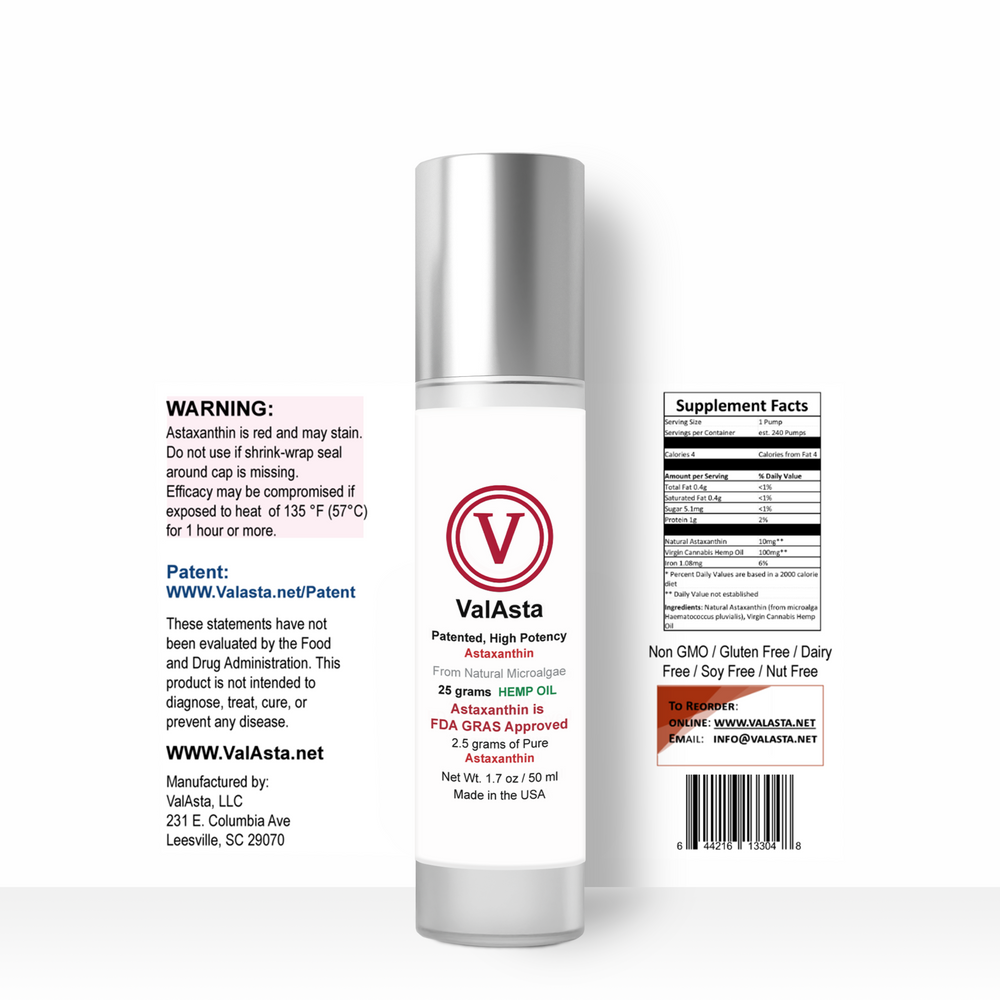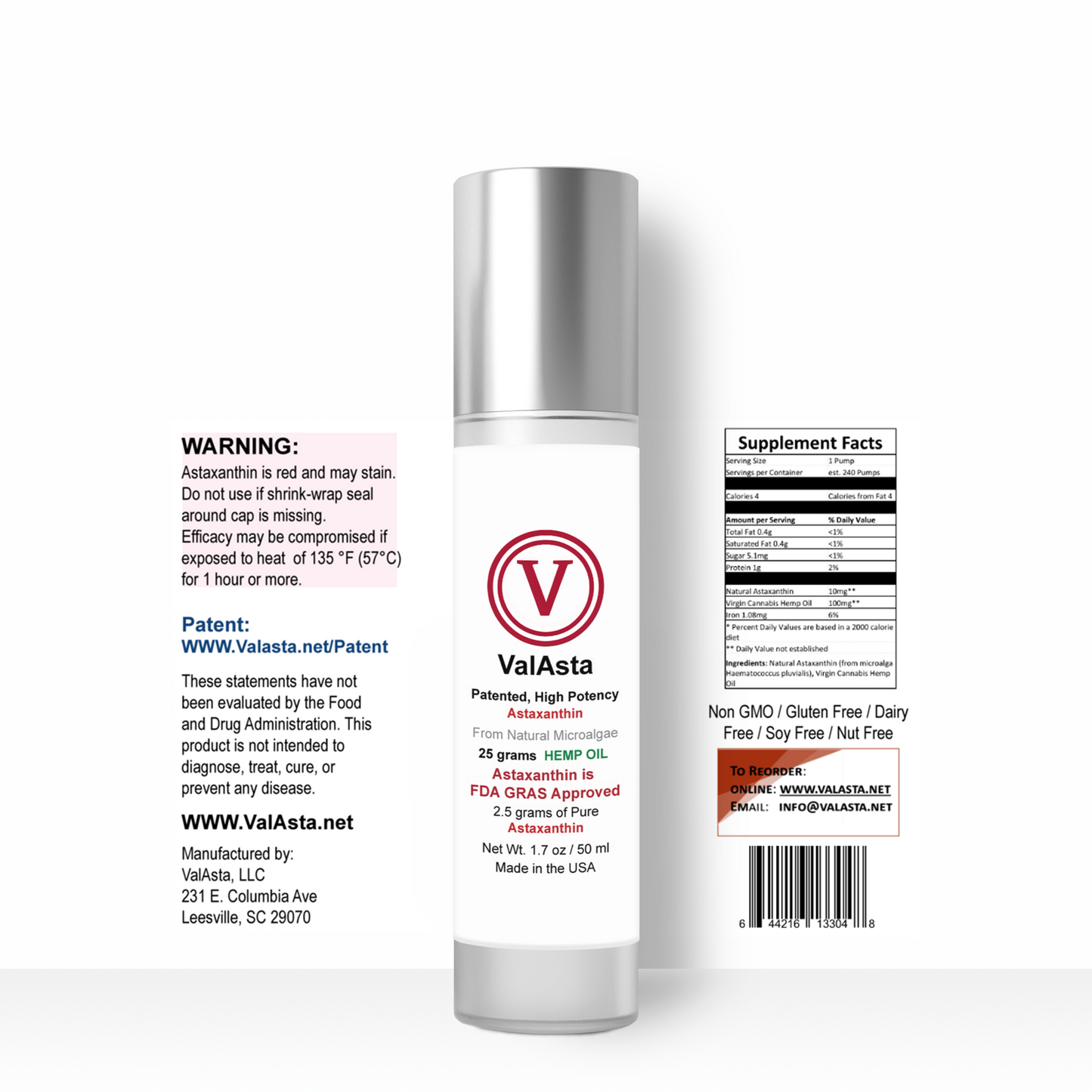

Exercise & Recovery Health
Explore published scientific research and educational resources examining exercise performance, muscular function, mitochondrial activity, oxidative stress, physical endurance, and physiological recovery. Exercise places demands on the body's energy systems, muscles, cardiovascular function, and antioxidant defenses. Research continues to explore how these systems respond to different forms of activity and how nutritional compounds, including astaxanthin, may interact with exercise-related biological processes. This collection includes human clinical investigations, observational studies, animal experiments, scientific reviews, and independent educational resources. Browse the research by topic or search for a specific subject to explore the available scientific literature.
25 resources
About This Research Collection
The ValAsta Scientific Research & Educational Library provides access to independently published scientific studies, human clinical investigations, laboratory experiments, animal studies, scientific reviews, and third-party educational resources.
Exercise and recovery research may examine endurance, muscle metabolism, mitochondrial activity, oxidative stress, inflammatory signaling, fatigue, and physiological adaptation to physical activity.
Reactive oxygen species and inflammatory signaling are involved in normal exercise adaptation. Changes in oxidative-stress markers do not necessarily establish improved exercise performance, enhanced muscle recovery, or reduced injury risk.
Some publications investigate astaxanthin supplementation in human participants, while others examine isolated cells, animal models, or proposed biological mechanisms. Results from these different types of studies should not be treated as equivalent evidence.
Research involving animal models cannot automatically be applied to human athletic performance or recovery. Human studies may also have limitations related to participant numbers, training experience, study duration, or the outcomes measured.
Certain studies use combinations of ingredients, including astaxanthin with other nutritional compounds. Results from combination supplements cannot necessarily be attributed to astaxanthin alone.
Some resources discuss broader topics such as cardiovascular function, metabolic physiology, renal biomarkers, mitochondrial activity, and general antioxidant research. These resources are included for educational context and do not necessarily investigate exercise recovery or astaxanthin supplementation directly.
Studies involving astaxanthin may use different ingredient sources, formulations, serving amounts, experimental conditions, and participant populations. Unless expressly identified in the original publication, these studies were not conducted using ValAsta® products and do not establish equivalent outcomes for ValAsta®.
Third-party educational articles may contain interpretations or promotional statements that differ from the underlying published research. Their inclusion does not constitute endorsement of every claim presented by the original publisher.
Medical Disclaimer: This information is provided for scientific and educational purposes and is not a substitute for professional medical advice, diagnosis, or treatment. Individuals with health concerns, exercise-related injuries, persistent fatigue, or unusual symptoms following physical exertion should consult a qualified healthcare professional.
ValAsta® products are not intended to diagnose, treat, cure, or prevent any disease.